In control cabinets, distribution panels, and equipment enclosures, cable organization affects more than appearance. It influences installation speed, maintenance efficiency, airflow, fault tracing, and long-term reliability. Blue Wiring Ducts have become a practical option for buyers who want orderly wire routing, visible cable separation, and dependable everyday performance without pushing unnecessary cost into a project.
This article explains what buyers should really pay attention to when choosing ducting, where mistakes usually happen, and why manufacturers such as Yueqing Desai Plastic Co., Ltd. are increasingly discussed by sourcing teams looking for consistent quality, flexible specifications, and straightforward supply support. You will also find a clear outline, a jump-link table of contents, a comparison table, selection tips, and an FAQ section designed around real purchasing concerns.
Many buyers first notice wiring duct only as a small accessory inside an electrical cabinet. That assumption is exactly why poor choices happen. When cable routing is treated as an afterthought, the result is often messy layouts, slower assembly, difficult rework, and extra labor costs that appear long after purchasing is finished.
A good duct is not there just to “hold wires.” It creates a controlled path for cable organization. That means technicians can bundle conductors more neatly, separate signal and power lines more clearly, identify routes faster, and reduce the chance of accidental stress on terminals. In crowded panels, the difference is immediate. A cleaner layout is easier to inspect, easier to modify, and easier to trust.
For contractors, panel builders, and OEM buyers, that matters because labor is expensive. Even a product with a modest unit price can influence total installation cost. If one duct choice saves time during wiring, troubleshooting, and later expansion, it stops being a cheap plastic component and starts becoming a smart project decision.
Buyers rarely complain because a wiring duct was too visible. They complain because it cracked, fit poorly, complicated routing, or made later maintenance slower than it should have been.
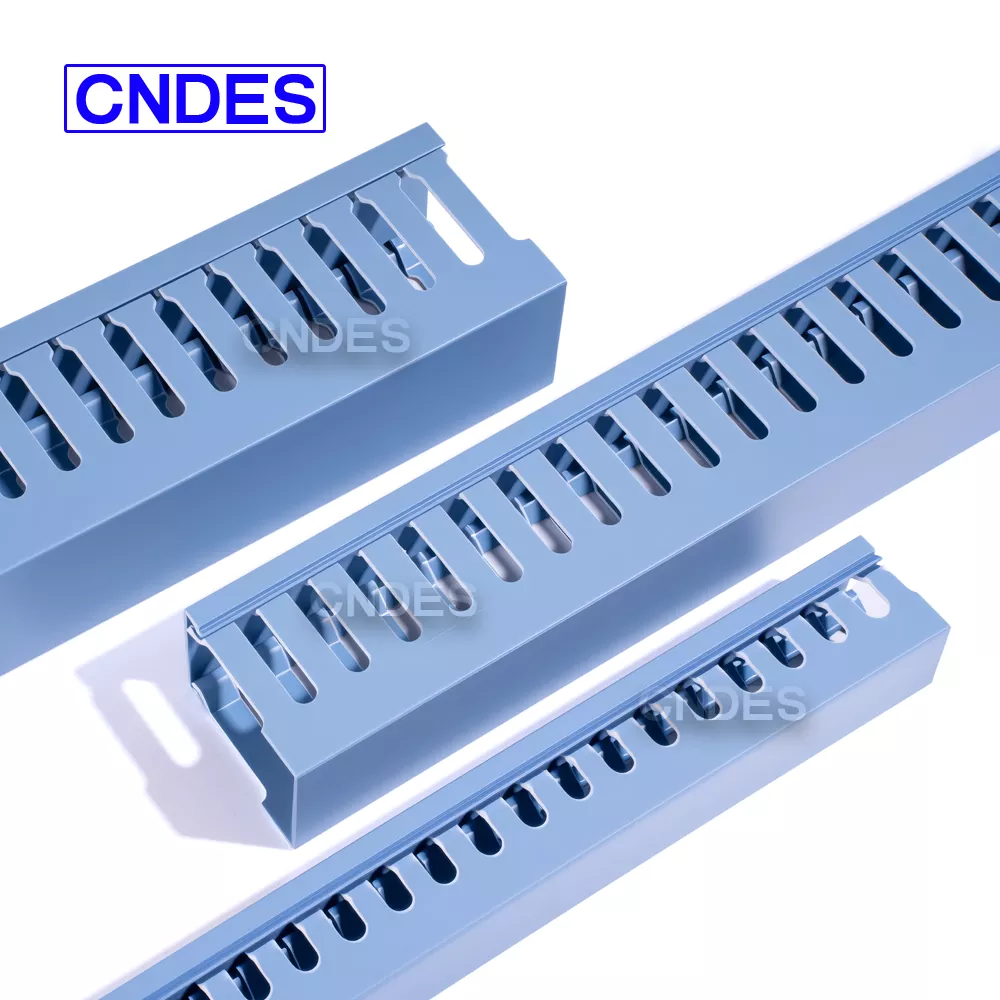
Blue Wiring Ducts are often chosen for practical rather than decorative reasons. The color itself can help with visual identification inside cabinets, especially when teams want a clearer distinction between different routing zones or simply prefer a cleaner, more readable internal layout. In busy assemblies, that visual order reduces hesitation and helps technicians work with more confidence.
Beyond appearance, the real value comes from usability. Good blue ducting supports structured cable placement, protects wires from unnecessary abrasion, and makes future changes less frustrating. If the material is consistent and the slots are properly formed, installers can route conductors smoothly and keep wiring compact without making the cabinet feel chaotic.
That balance is one reason buyers pay attention to suppliers like Yueqing Desai Plastic Co., Ltd. When sourcing teams want products that are straightforward, functional, and adaptable to different project needs, they are often looking for exactly this kind of combination: practical cable management, flexible specification support, and pricing that still makes sense at scale.
The demand for Blue Wiring Ducts is usually connected to recurring problems inside real installations. Buyers are not simply looking for a color option. They are trying to prevent expensive friction in production, assembly, and maintenance.
Buyers who have experienced cabinet rework already know the pattern: the original saving disappears as soon as installers lose time correcting the layout. A more thoughtful duct choice helps avoid that trap. It supports cleaner execution from the first build and reduces friction throughout the product life cycle.
If I were evaluating suppliers, I would not choose based on one photo or one low quotation. I would look at the actual working conditions of the cabinet and compare the duct against the realities of the wiring job. The right selection starts with the route, the wire volume, and the installation environment.
| Selection Factor | Why It Matters | What Buyers Should Check |
|---|---|---|
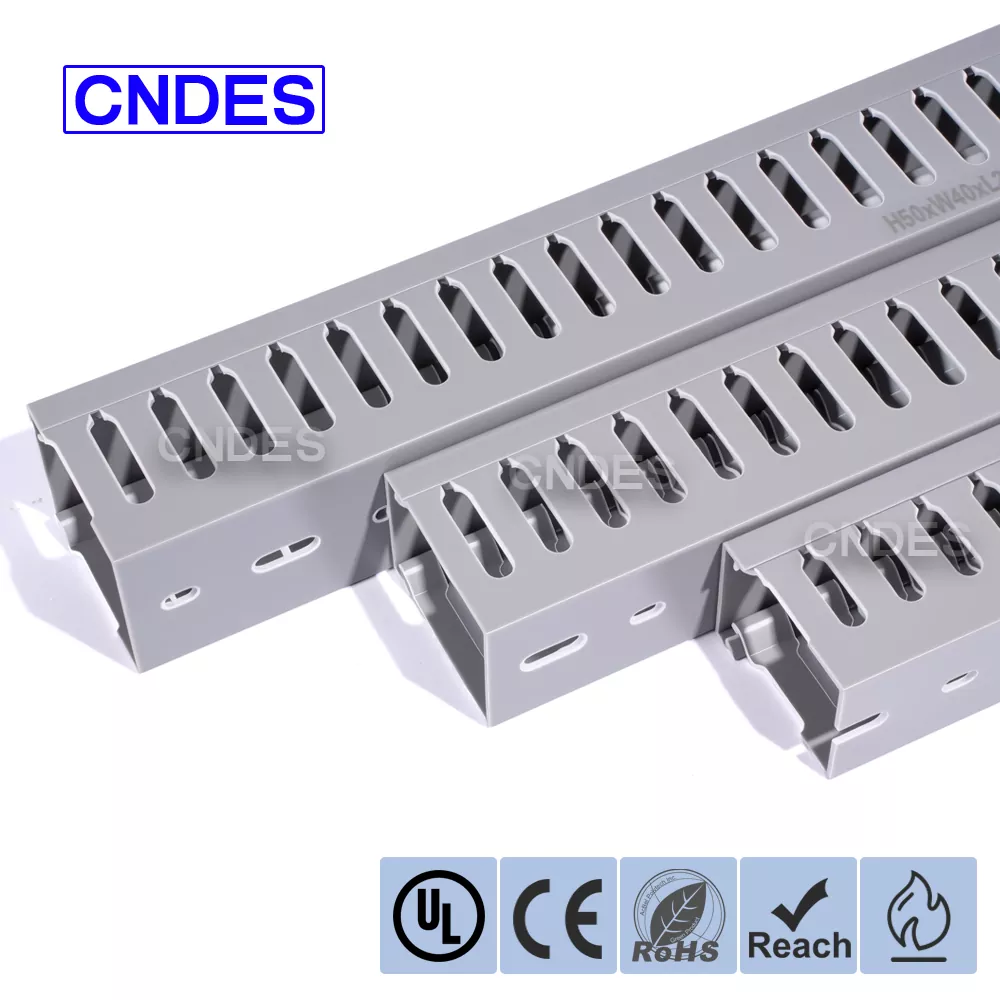
| Size and Capacity | Undersized duct causes overfilling, difficult routing, and poor heat organization. | Match width and height to cable bundle volume, bend radius, and future expansion needs. |
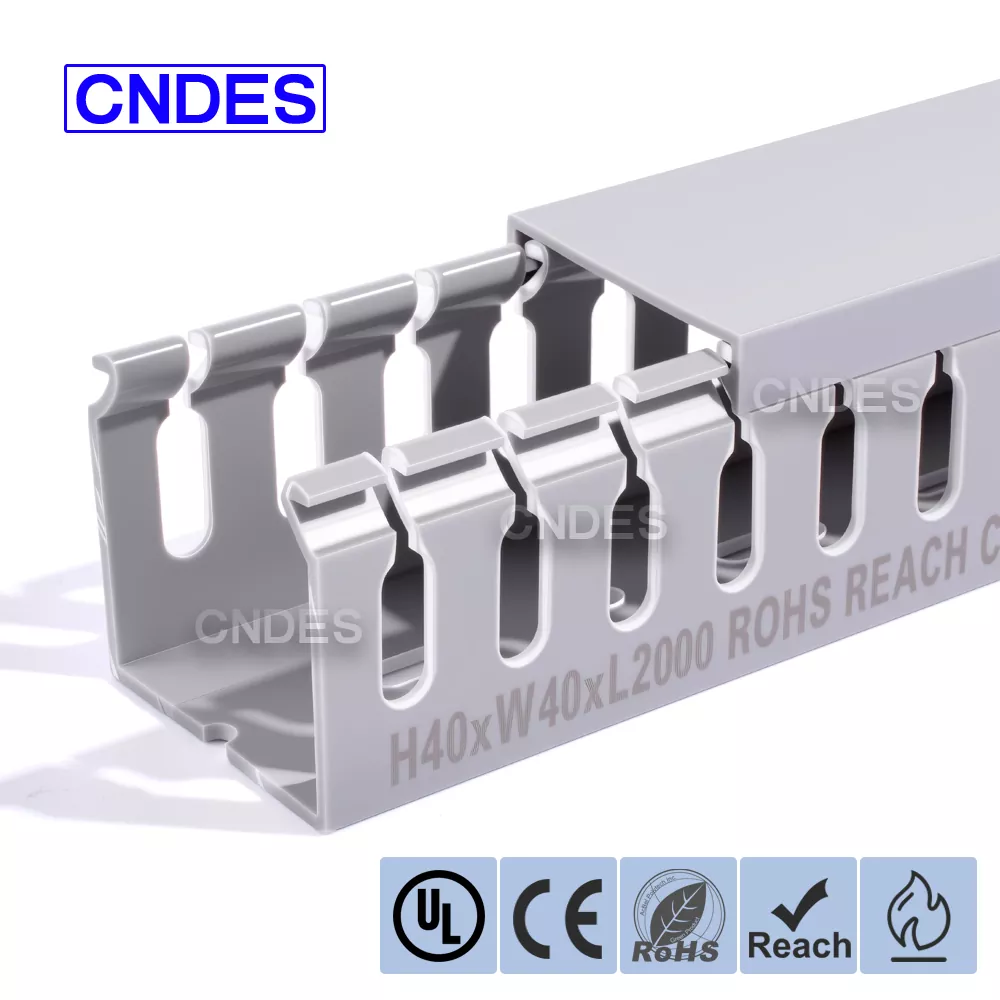
| Slot Design | Slots influence how easily wires branch out and how neat the finished layout looks. | Check slot spacing, edge finish, and whether the design suits dense control wiring. |
| Material Quality | Weak material can crack, deform, or create a poor installation experience. | Look for stable PVC quality, clean cuts, and consistent rigidity without brittleness. |
| Mounting Preference | Some projects need specific base configurations or easier site installation. | Confirm whether bottom holes, adhesive options, or custom preparation are available. |
| Length and Customization | Standard lengths do not always fit every project or shipping plan. | Ask whether custom lengths or tailored specifications can be provided efficiently. |
| Cost Control | Lowest price is not always lowest project cost. | Compare product price together with installation speed, scrap risk, and consistency. |
I would also think one step ahead. Will the panel need future additions? Will technicians reopen the cabinet often? Will visual cable separation help the service team? Those questions are where Blue Wiring Ducts become more than a basic component. They become part of a maintenance-friendly design.
Not every project needs the same wiring solution. Some buyers choose standard neutral-colored ducting, while others use trunking systems or more specialized cable channels. The best option depends on the working environment, visual management preference, and required performance level.
| Option | Main Strength | Possible Limitation | Best Fit |
|---|---|---|---|
| Blue Wiring Ducts | Clear cable organization, strong visual identification, practical cost-performance balance | Needs correct sizing and supplier consistency to deliver full value | Control panels, electrical cabinets, organized internal routing |
| Generic Neutral Ducting | Widely available and familiar | May not offer the same visual distinction in complex layouts | Basic standard projects |
| Solid Wall Trunking | More enclosed routing path | Less convenient for frequent branch-outs | Applications with simpler cable exits |
| Custom Cable Routing Solutions | Highly tailored to the project | Usually higher cost and longer decision cycle | Specialized or unusual cabinet designs |
In many practical situations, Blue Wiring Ducts sit in the sweet spot. They are organized, recognizable, and efficient without forcing the buyer into over-engineered spending. That is why they attract attention from both cost-sensitive buyers and teams that still care deeply about a professional finished result.
A product like this is useful wherever internal cable routes need to remain orderly and accessible. The point is not to chase a dramatic application story. The point is to support routine electrical work better.
These are environments where tidy routing is not cosmetic. It improves day-to-day usability. When engineers, electricians, or service teams open the cabinet, they should be able to understand the wiring path quickly. That clarity saves time and reduces avoidable handling mistakes.
I have seen buyers focus so heavily on unit cost that they ignore the working impact of the product. That usually leads to one of a few predictable mistakes.
A better buying approach is simple: think in terms of total work value, not just piece price. If the duct is easier to install, easier to inspect, and easier to maintain, it is already paying back the difference.
If I were sourcing for a real project, I would treat Blue Wiring Ducts as a working component that directly affects installation quality, maintenance speed, and the visual credibility of the finished cabinet. I would compare specifications carefully, look at how the duct will actually be used, and choose a supplier that understands both standard production and practical customization.
That is where an experienced manufacturer can make a noticeable difference. A supplier such as Yueqing Desai Plastic Co., Ltd. can be valuable when your team needs dependable cable management products, flexible specification support, and purchasing communication that stays grounded in real project requirements rather than empty promises.
If your next project needs cleaner routing, easier maintenance, and more practical cost control, now is the right time to evaluate Blue Wiring Ducts with a sharper purchasing standard. Contact Yueqing Desai Plastic Co., Ltd. to discuss sizes, customization needs, volume orders, and the right solution for your application—contact us and let’s make your next panel layout cleaner, safer, and easier to manage.