Yueqing Desai Plastic Co., Ltd.
News

What Is a PVC Wire Channel and Why Is It Essential for Modern Cable Management

2026-03-05 0 Leave me a message

Cable organization is a critical component of modern electrical systems. Whether in industrial control cabinets, office networks, or residential wiring, improper cable routing can lead to safety hazards, difficult maintenance, and system inefficiencies. One of the most practical solutions for managing cables is the PVC wire channel, also known as a wiring duct or cable duct.

This comprehensive guide explores what a PVC wire channel is, how it works, its advantages, installation methods, and how to choose the right solution for your project. The article also explains why PVC wiring ducts have become the standard cable management solution in industries such as automation, telecommunications, and electrical engineering.

Readers will also learn about material properties, installation best practices, common applications, and tips from industry professionals. Additionally, we include useful comparison tables, expert insights, and frequently asked questions to help you fully understand PVC cable management systems.

PVC Wire Channel

Table of Contents


1. What Is a PVC Wire Channel?

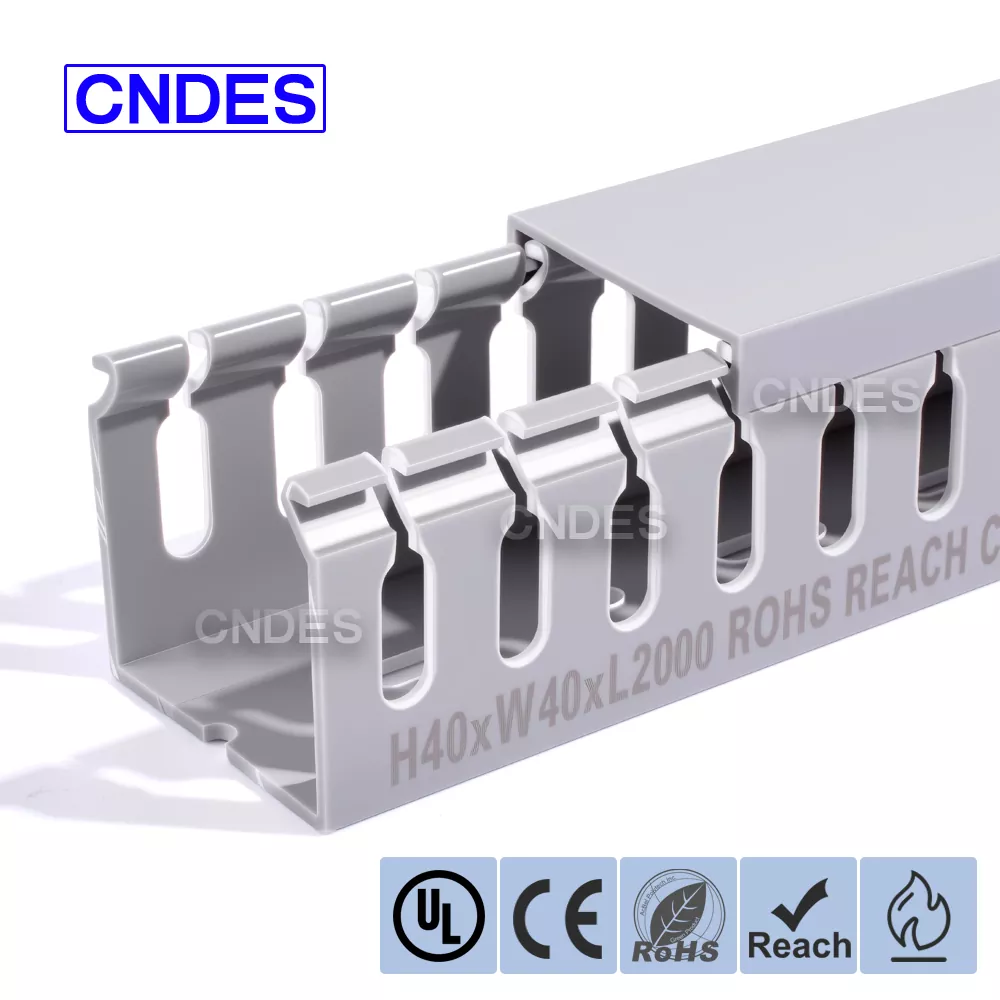
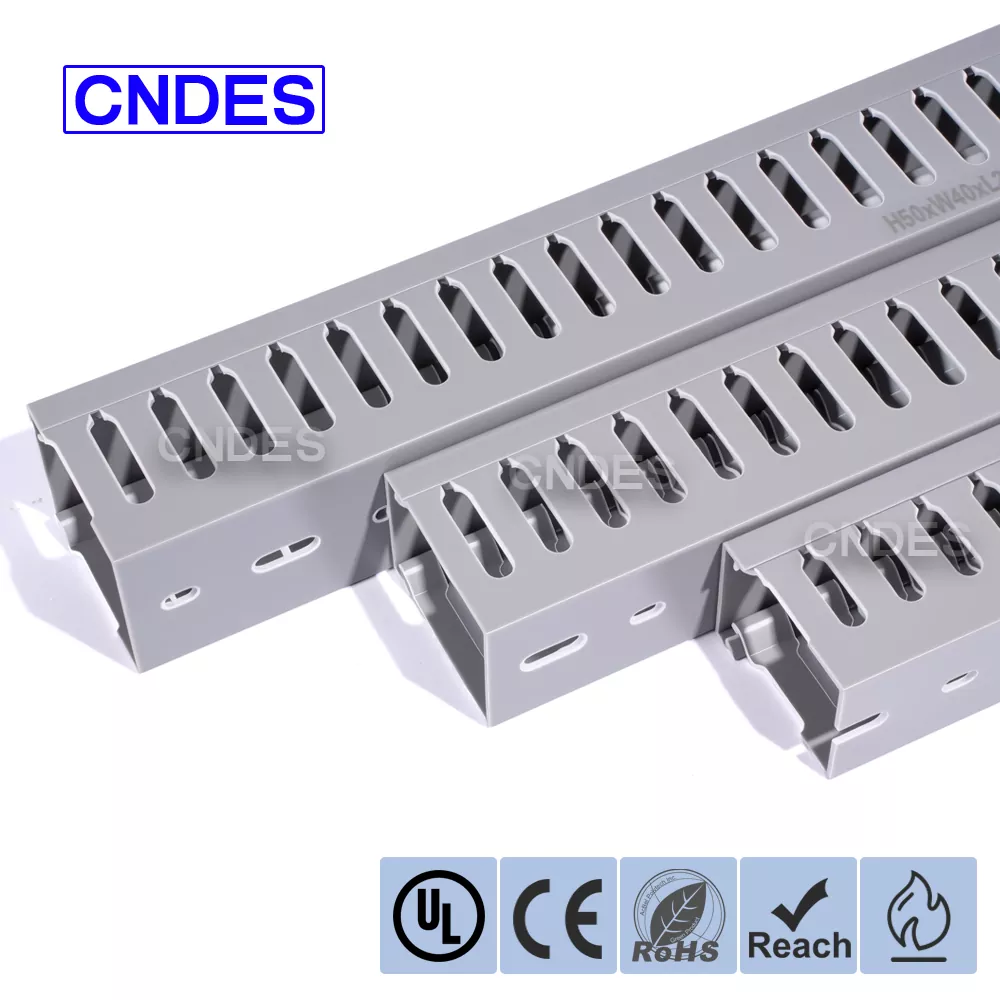
A PVC wire channel is a cable management system made from durable polyvinyl chloride (PVC) designed to organize, protect, and route electrical wires. It typically features a slotted or solid design with a removable cover, allowing technicians to easily place and manage cables.

These channels are commonly installed inside electrical control panels, machinery enclosures, and building infrastructure. Their purpose is to keep wires neatly arranged while protecting them from dust, mechanical damage, and electromagnetic interference.

For example, manufacturers such as PVC wire channel suppliers like CNDES produce industrial-grade wiring ducts that meet global electrical standards and are widely used in automation and power distribution systems.

Main Components of a PVC Wire Channel

  • Base duct with mounting holes
  • Slotted side walls for wire exit
  • Removable snap-on cover
  • Optional accessories such as separators

2. Why PVC Is Used for Cable Management

PVC is one of the most widely used materials in electrical cable management because it offers an excellent balance between strength, insulation, and cost efficiency.

Important Material Characteristics

  • Excellent electrical insulation
  • Flame-retardant properties
  • Resistance to corrosion and chemicals
  • Lightweight yet durable
  • Easy to cut and install

These properties make PVC ideal for industrial environments where safety and reliability are critical.


3. Key Benefits of PVC Wire Channels

Using PVC wiring ducts brings numerous advantages to electrical installations. Below are some of the most significant benefits:

  • Improved cable organization
  • Enhanced electrical safety
  • Easier maintenance and troubleshooting
  • Protection against dust and mechanical damage
  • Better airflow inside control panels

Operational Advantages

A properly organized wiring system significantly reduces downtime during repairs or upgrades. Technicians can quickly identify and access individual cables without disrupting the entire system.


4. Types of PVC Wire Channels

PVC wire channels are available in several designs to suit different wiring needs.

Type Description Typical Use
Slotted PVC Wire Channel Features side slots for flexible cable routing Control panels and automation equipment
Solid PVC Channel No slots, provides maximum cable protection Outdoor or heavy-duty installations
Narrow Slot Wiring Duct Designed for small wires and tight spaces Data centers and telecom cabinets
Wide Slot Wiring Duct Accommodates larger cable bundles Industrial machinery wiring

5. PVC Wire Channel Sizes and Specifications

Choosing the correct size ensures efficient cable organization and prevents overcrowding.

Size (Width × Height) Common Applications
20 × 20 mm Small control circuits
40 × 40 mm Automation panels
60 × 60 mm Industrial electrical cabinets
80 × 80 mm Large cable bundles
100 × 100 mm High-capacity wiring systems

6. How to Install a PVC Wire Channel

Step-by-Step Installation Guide

  1. Measure and mark the installation area.
  2. Cut the PVC wire channel to the required length.
  3. Secure the base using screws or adhesive.
  4. Place and organize cables inside the duct.
  5. Snap the cover onto the channel.
  6. Label wires for easier maintenance.

Professional installers often plan cable routing before installing ducts to ensure optimal airflow and accessibility.


7. Applications of PVC Wire Channels

PVC wiring ducts are widely used across various industries.

Common Applications

  • Industrial control panels
  • Electrical switch cabinets
  • Data centers
  • Telecommunication equipment
  • Office cable management
  • Automated manufacturing systems

In advanced manufacturing environments, organized cable systems are essential for machine safety and operational efficiency.


8. PVC Wire Channel vs Other Cable Management Systems

Feature PVC Wire Channel Cable Tray Cable Conduit
Installation Easy Moderate Difficult
Maintenance Access Excellent Good Limited
Cost Low Medium High
Flexibility High Medium Low

9. How to Choose the Right PVC Wiring Duct

When selecting a wiring duct, consider the following factors:

  • Cable quantity and diameter
  • Installation environment
  • Heat dissipation requirements
  • Industry standards and certifications
  • Material quality and flame rating

Reliable manufacturers such as CNDES offer a wide range of durable PVC wire channel solutions designed for industrial reliability and long-term performance.


10. Maintenance and Safety Tips

  • Inspect wiring ducts periodically for damage.
  • Avoid overfilling the channel.
  • Label cables clearly for easier troubleshooting.
  • Ensure the cover is securely installed.
  • Replace damaged ducts immediately.

Proper maintenance extends the lifespan of both cables and electrical systems.


11. Frequently Asked Questions

1. What is the purpose of a PVC wire channel?

It organizes and protects electrical cables, improving safety and simplifying maintenance.

2. Are PVC wire channels flame-retardant?

Most industrial-grade wiring ducts are manufactured with flame-retardant PVC materials to meet safety standards.

3. Can PVC wire channels be used outdoors?

Yes, but UV-resistant versions are recommended for outdoor environments.

4. How do you cut a PVC wiring duct?

They can be easily cut using a hacksaw or specialized plastic cutting tools.

5. Are PVC wiring ducts reusable?

Yes, they can often be removed and reused if they remain undamaged.


Conclusion

PVC wire channels are one of the most efficient and affordable cable management solutions available today. Their durability, flexibility, and ease of installation make them essential components in electrical systems across industries.

From industrial control cabinets to modern data centers, PVC wiring ducts help maintain safe, organized, and efficient cable systems. Choosing high-quality products ensures long-term performance and compliance with electrical standards.

If you are looking for reliable PVC wiring duct solutions, the experienced manufacturer CNDES provides high-quality products designed to meet global electrical installation needs. For product information, customization options, or technical assistance, feel free to contact us and our team will be happy to support your project.

Related News
Leave me a message
X
We use cookies to offer you a better browsing experience, analyze site traffic and personalize content. By using this site, you agree to our use of cookies. Privacy Policy
Reject Accept