Yueqing Desai Plastic Co., Ltd.
News

What Is a Separated Cable Channel and Why Is It Essential for Modern Electrical Wiring Systems

2026-02-09 0 Leave me a message

A separated cable channel is an advanced cable management solution designed to organize, protect, and separate different types of electrical wires within control panels, distribution cabinets, and industrial systems. This article explores what a separated cable channel is, how it works, its advantages over traditional wiring ducts, common applications, material options, installation tips, and how it supports safety and efficiency in modern electrical systems. With practical insights and expert guidance from CNDES, this guide helps engineers, panel builders, and project managers choose the right solution for reliable cable routing.


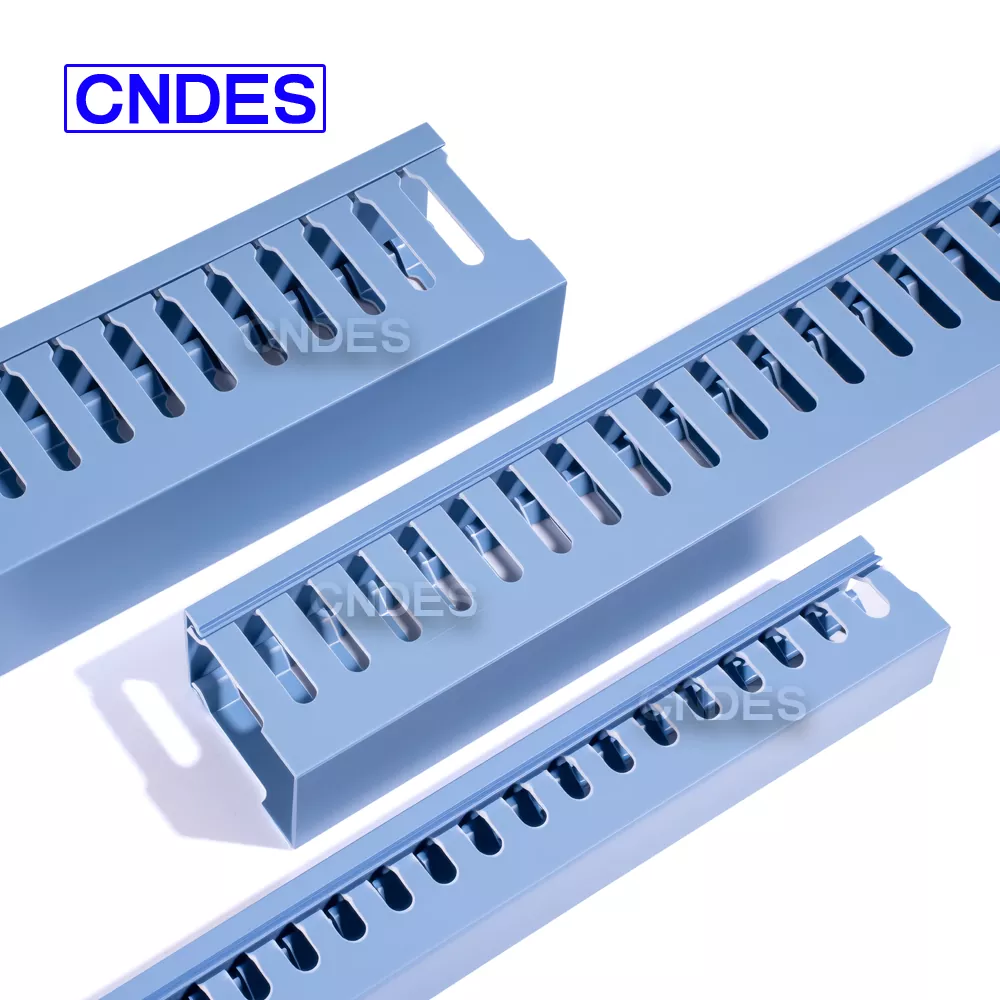
Separated Cable Channel

Table of Contents


1. What Is a Separated Cable Channel?

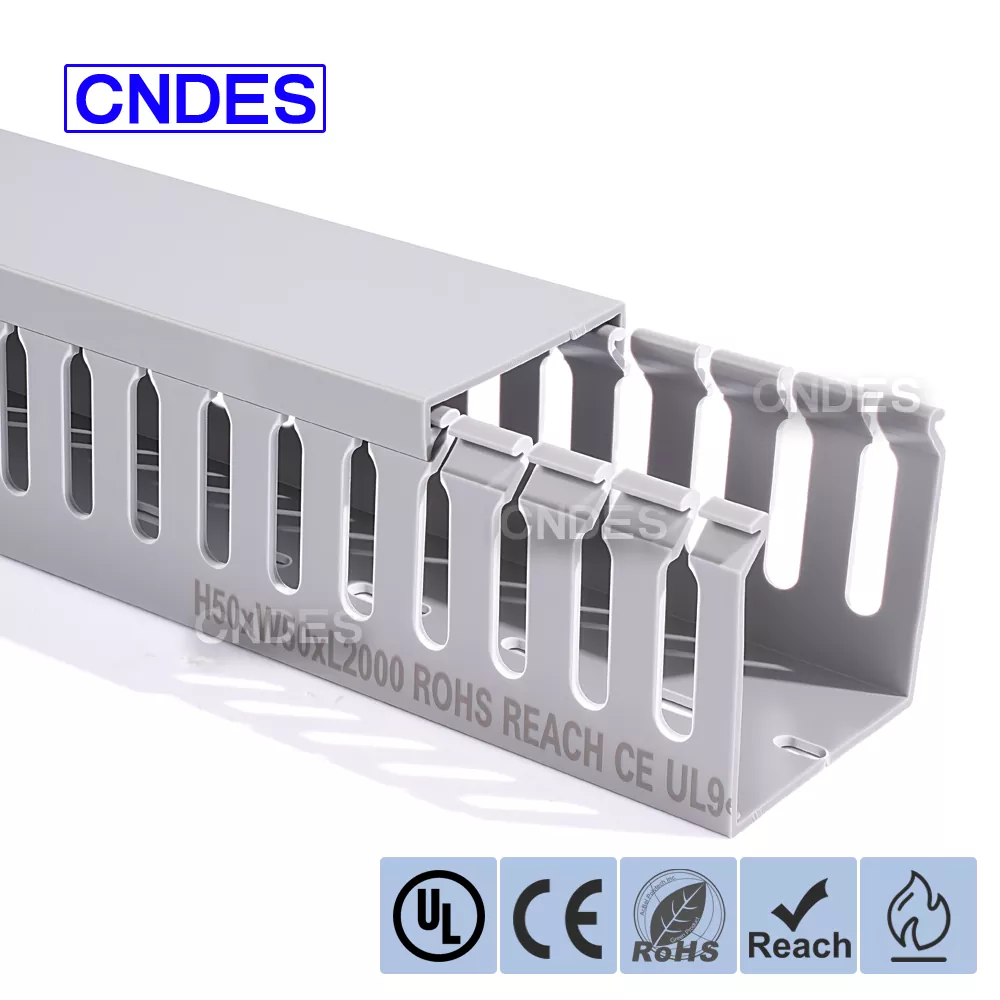
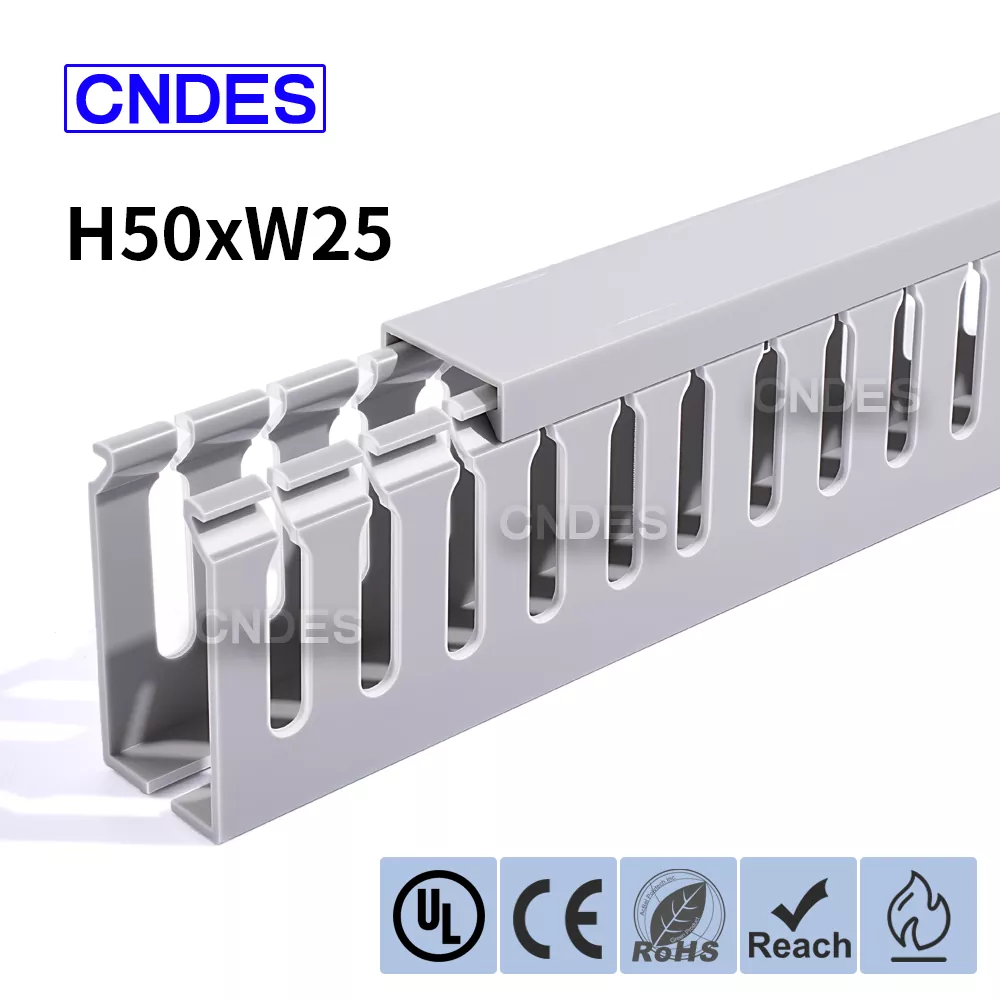
A separated cable channel is a specialized type of wiring duct that features internal partitions or segmented compartments. These partitions physically separate different groups of cables—such as power lines, signal cables, and data wiring—within the same channel.

Unlike conventional open-slot wiring ducts, separated cable channels are engineered to:

  • Reduce electromagnetic interference (EMI)
  • Improve cable organization
  • Enhance safety and maintenance efficiency

This makes them especially valuable in modern electrical systems where cable density and functional complexity continue to increase.


2. Why Is a Separated Cable Channel Essential?

Modern electrical installations demand higher reliability, better safety, and cleaner layouts. A separated cable channel addresses these requirements by offering structured cable routing that minimizes risk and improves system performance.

Key Reasons for Adoption

  • Strict electrical safety regulations
  • Increased use of automation and control systems
  • Higher cable density in compact enclosures
  • Need for easier troubleshooting and upgrades

Manufacturers like CNDES design separated cable channels to meet the evolving needs of industrial control panels, ensuring both compliance and long-term reliability.


3. Structural Design and Working Principle

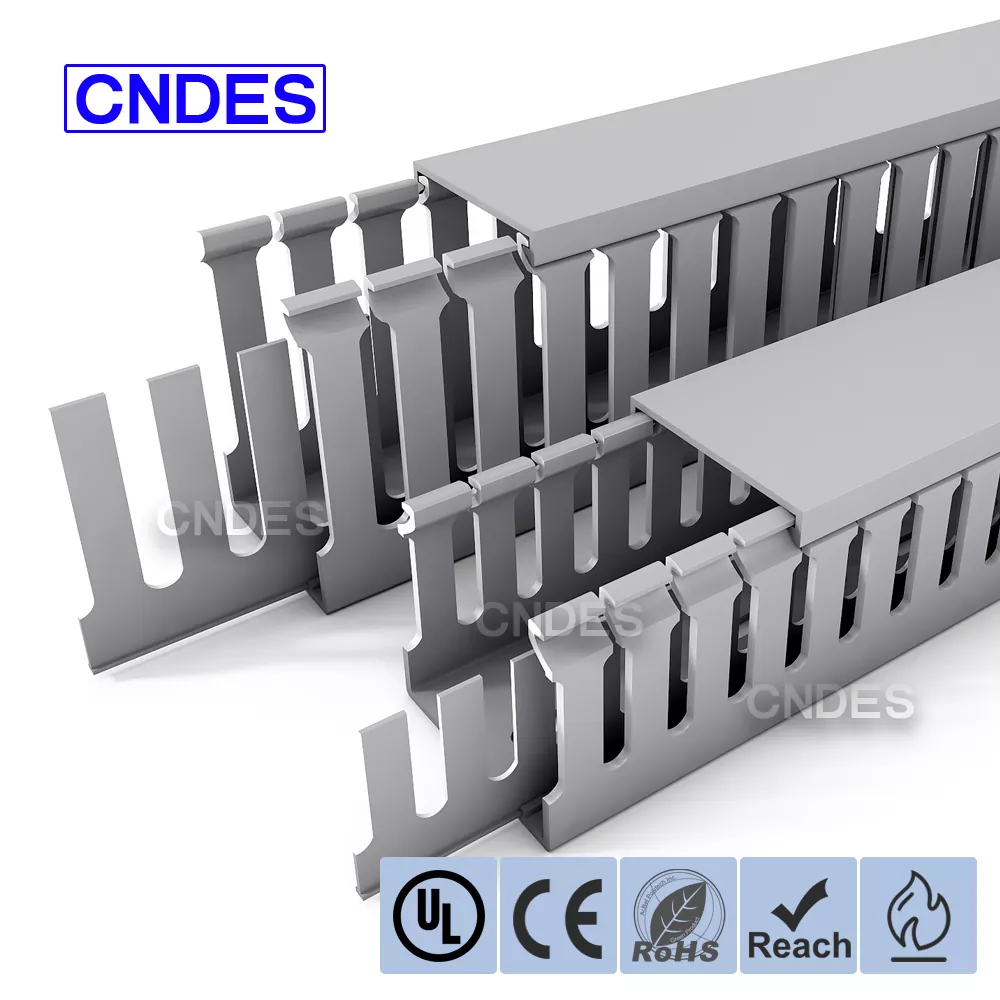
The defining feature of a separated cable channel is its internal divider structure. These dividers create independent routing paths within one duct body.

Main Structural Components

  • Main duct body
  • Internal separation ribs or partitions
  • Slotted sidewalls for cable exit
  • Snap-on or hinged cover

By isolating different cable types, the channel helps prevent cross-interference and improves airflow, which can reduce heat buildup inside enclosures.


4. Key Advantages Over Traditional Wiring Ducts

Feature Separated Cable Channel Traditional Cable Duct
Cable Organization Multi-compartment separation Single open space
EMI Control Excellent Limited
Maintenance Efficiency High Medium
System Safety Enhanced Standard

This comparison highlights why separated cable channels are increasingly preferred in high-performance electrical systems.


5. Common Applications of Separated Cable Channels

Separated cable channels are widely used across industries that require structured and reliable wiring.

Typical Application Scenarios

  • Industrial control panels
  • Automation equipment
  • Power distribution cabinets
  • Data centers and communication racks
  • Machine tools and production lines

In these environments, proper cable separation directly contributes to operational stability and reduced downtime.


6. Materials and Performance Characteristics

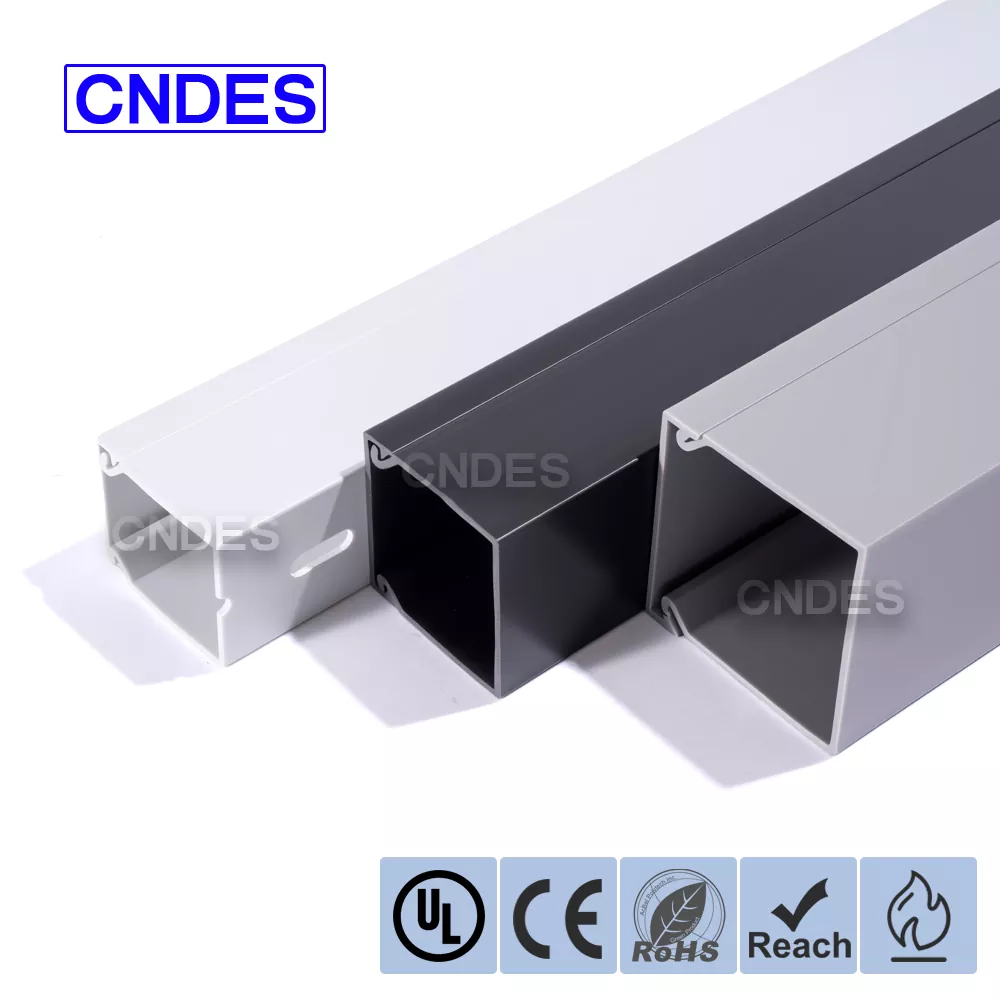
Most separated cable channels are manufactured from high-quality PVC or halogen-free materials.

Material Benefits

  • Flame retardancy
  • Corrosion resistance
  • Good insulation properties
  • Long service life

Products from CNDES are engineered to meet international standards, making them suitable for global projects.


7. Separated Cable Channel vs Standard Cable Duct

Choosing between a separated cable channel and a standard wiring duct depends on project complexity.

  • Standard duct: Suitable for simple, low-density wiring
  • Separated channel: Ideal for mixed signal and power routing

For modern automation systems, separated designs provide a clear advantage in performance and scalability.


8. Installation Best Practices

Proper installation maximizes the benefits of a separated cable channel.

Recommended Installation Tips

  1. Plan cable grouping before installation
  2. Allocate compartments by cable function
  3. Avoid overfilling individual sections
  4. Ensure covers are securely closed

Following these steps improves both aesthetics and long-term maintainability.


9. How to Choose the Right Separated Cable Channel

When selecting a separated cable channel, consider the following factors:

  • Channel width and height
  • Number of internal partitions
  • Material and flame rating
  • Compliance with industry standards

Working with an experienced manufacturer like CNDES ensures you receive a solution tailored to your application.


10. Frequently Asked Questions (FAQ)

Is a separated cable channel necessary for all projects?

Not all projects require it, but it is highly recommended for systems with mixed power and signal cables.

Can separated cable channels reduce electromagnetic interference?

Yes. Physical separation significantly reduces the risk of EMI between different cable types.

Are separated cable channels easy to install?

Yes. They are designed for quick installation and easy modification during maintenance or upgrades.

Do separated cable channels comply with international standards?

High-quality products from manufacturers like CNDES are designed to meet major global electrical standards.


Conclusion

A separated cable channel is more than just a wiring accessory—it is a critical component of modern electrical system design. By improving organization, safety, and performance, it supports the growing complexity of industrial and commercial installations.

If you are planning an electrical project or upgrading existing systems, choosing a reliable separated cable channel solution from CNDES can make a significant difference. Contact us today to learn more about customized cable management solutions tailored to your needs.

Related News
Leave me a message
X
We use cookies to offer you a better browsing experience, analyze site traffic and personalize content. By using this site, you agree to our use of cookies. Privacy Policy
Reject Accept