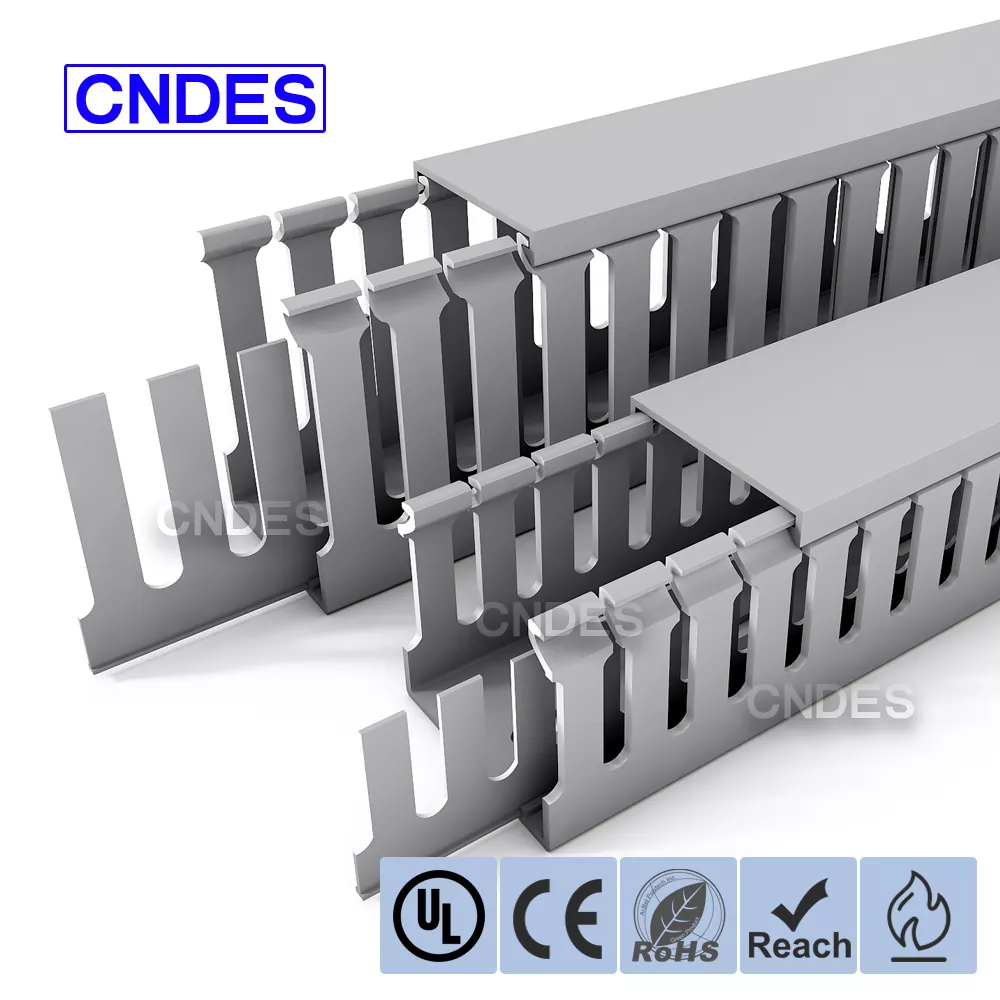
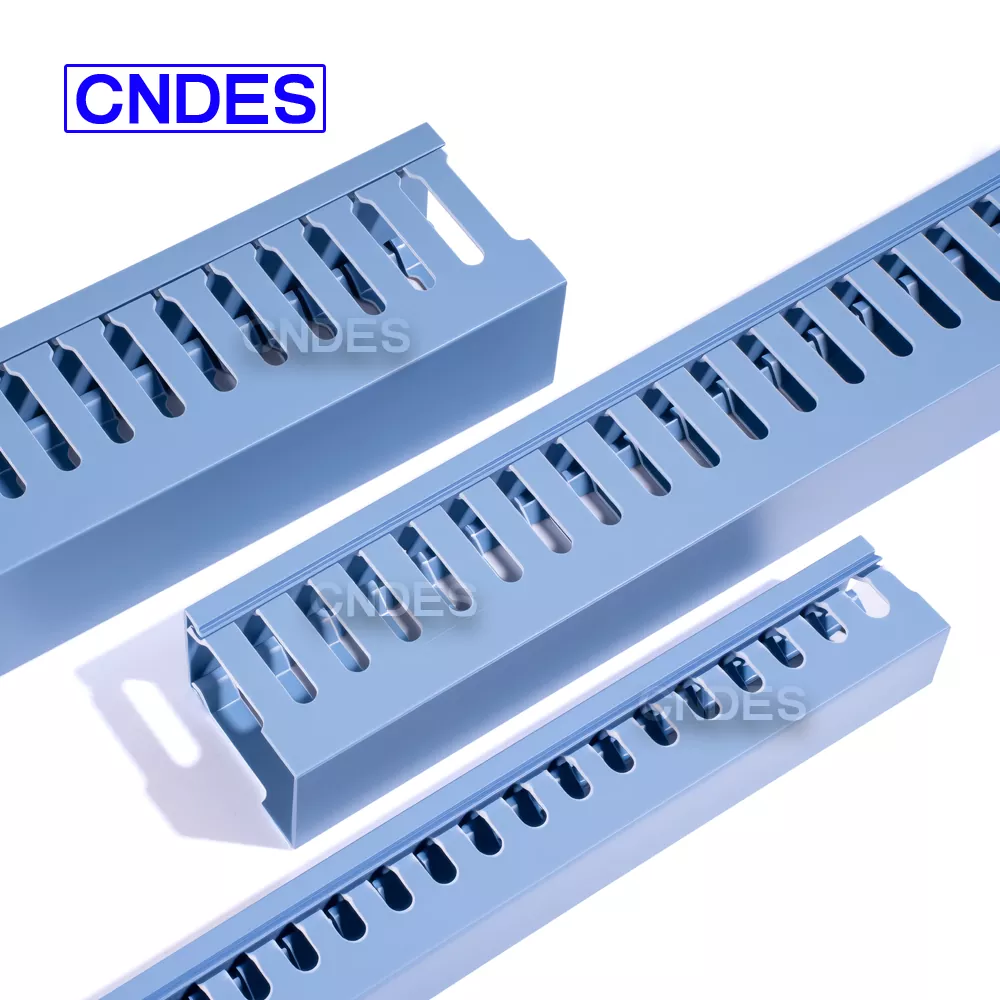
When cable runs become crowded, maintenance slows down, signal paths get messy, and electrical panels start looking harder to trust. That is exactly where PVC Separator Wiring Ducts become useful. In practical installations, buyers are usually not looking for a decorative accessory. They want a cleaner internal layout, better separation between cable types, easier servicing, and a wiring method that stays organized long after installation. Yueqing Desai Plastic Co., Ltd. serves this demand with products designed for structured cable management in control panels, machinery, commercial electrical systems, and industrial projects.
This article explains how PVC Separator Wiring Ducts help solve common wiring problems such as cable crowding, mixed signal and power routes, difficult maintenance access, and poor panel appearance. It also covers where these ducts fit best, what buyers should look for before purchasing, how separator designs improve day-to-day use, and why structured cable routing can reduce long-term installation headaches. If your project needs cleaner cable distribution and more dependable panel organization, this guide will help you evaluate the right direction.
Most buyers start looking for PVC Separator Wiring Ducts after a familiar problem appears: the inside of a cabinet no longer looks manageable. At first, standard routing may seem acceptable. But as more wires are added, power lines, signal cables, control wires, and communication conductors often end up sharing the same narrow space. That is when organization stops being a visual issue and becomes an operational one.
Mixed cable paths can make troubleshooting frustrating. A technician trying to inspect or replace one group of wires may have to move several unrelated ones first. In projects where efficiency matters, that lost time adds up quickly. It also increases the chance of accidental disturbance during maintenance. On top of that, poorly separated cable paths can make future upgrades harder, because there is no clear logic to the original layout.
Another pain point is consistency. Buyers managing repeated installations across multiple cabinets or projects need a method that keeps wiring standards stable. Random bundling may work once, but it does not scale well. Structured routing does.
PVC Separator Wiring Ducts are designed to create orderly cable channels within a single duct body by using an internal partition. Instead of forcing all wires into one undivided path, the divider creates dedicated routes for different cable groups. This is especially helpful when one installation includes multiple functions that should stay organized from start to finish.
In practical terms, the separator structure helps installers keep power wiring apart from signal or communication wiring, or simply divide circuits based on system logic. That separation improves readability inside the panel and makes later maintenance more direct. You can open the cover and understand the layout faster, which is something buyers often appreciate only after the system has been running for months or years.
The advantage is not about complexity. It is about control. A good duct system supports clean routing, easy access, and a more intentional build quality.
Divider-style ducts matter because real projects rarely stay static. Panels are revised, machines are upgraded, and service teams need to revisit old assemblies. A duct with internal separation gives the installer a more disciplined wiring foundation from the beginning, which makes later work less chaotic.
One of the biggest customer concerns is whether a component will still be useful after the first installation. In this case, the answer is yes. A separated channel layout supports changes better because it preserves routing logic. Even when new cables are added, the original grouping remains easier to understand.
| Customer Concern | How Separator Wiring Ducts Help |
|---|---|
| Cables look mixed and hard to trace | The internal partition creates dedicated wire paths, making cable groups easier to identify. |
| Maintenance takes too long | Technicians can access one cable zone without disturbing every wire in the duct. |
| Panel layout does not look professional | A separated routing structure supports a cleaner and more organized visual finish. |
| Future expansion feels risky | Defined channels make it easier to add or modify circuits without losing order. |
| Different wire functions need clearer routing logic | The divider helps segment power, signal, or control lines in a more intentional way. |
For many buyers, this is the real value: fewer headaches later. A product that improves installation discipline on day one can save a surprising amount of effort over the life of the system.
These ducts are suitable for a wide range of environments where cable routing needs to stay neat, protected, and easy to manage. They are especially useful in electrical control cabinets, automation equipment, distribution panels, machine wiring assemblies, and commercial systems where multiple cable categories share the same general routing area.
Installers also prefer them in projects where visual order matters to clients or inspectors. An organized panel often communicates care, planning, and build quality even before anyone tests the system.
Choosing the right PVC Separator Wiring Ducts is not only about width and height. Buyers should think about total fill volume, cable categories, future expansion, mounting preferences, and installation temperature conditions. A duct that fits tightly on paper may become inconvenient once service loops, bends, or additional lines are introduced.
It is usually smarter to select with practical working space in mind rather than minimum theoretical capacity. A slightly better-sized duct often pays off through easier installation and simpler maintenance.
Buyers who consider these points early usually avoid under-specifying the duct system and then correcting the layout later at a higher cost.
Standard wiring ducts are useful and widely applied, but they do not always give enough internal structure for more demanding routing tasks. Where cable categories need intentional division, a separator design can provide better discipline without making the installation process complicated.
| Point of Comparison | Standard Wiring Ducts | PVC Separator Wiring Ducts |
|---|---|---|
| Internal organization | Single open cable path | Multiple organized channels through partition design |
| Handling mixed cable types | Less structured | Better suited for grouped routing |
| Maintenance visibility | Can become crowded over time | More readable and easier to service |
| Layout consistency | Depends heavily on installer discipline | Built-in structure supports cleaner standards |
| Future cable additions | May disturb existing arrangement | Easier to expand while preserving wire grouping |
That does not mean one product replaces all others. It means the separator version is often the smarter option when cable grouping is part of the project requirement, not an afterthought.
Before placing an order, buyers should confirm the details that affect performance, installation convenience, and project compatibility. Based on the available product information from Yueqing Desai Plastic Co., Ltd., the following points are especially relevant for evaluation.
| Feature | What to Check |
|---|---|
| Material | PVC construction for structured cable management applications |
| Flame retardancy | UL94-V0 rating for projects requiring dependable fire performance consideration |
| Certifications | UL, CE, RoHS, and REACH related compliance references |
| Installation support | Bottom mounting holes for efficient fixing |
| Length | Standard 2M length with custom length options |
| Color | Gray or other custom colors depending on project needs |
| Operating temperature | -40°C to 70°C for broader application flexibility |
These details matter because procurement decisions are rarely made on appearance alone. A good product should fit both the installation method and the operating environment. That is why buyers often prefer suppliers who can support both standard demand and project-specific requests.
If your panel design already includes more than one cable category, do not wait until the duct is crowded to think about separation. Start with a routing structure that anticipates maintenance, upgrades, and inspection access. That is where PVC Separator Wiring Ducts usually prove their value fastest.
Q1: What is the main benefit of using PVC Separator Wiring Ducts?
The main benefit is organized cable separation inside one duct body. This makes routing cleaner, simplifies maintenance, and helps installers keep different wire groups in a more controlled layout.
Q2: Are PVC Separator Wiring Ducts suitable for industrial control panels?
Yes. They are well suited for control cabinets, machine wiring systems, and other installations where multiple cable types need clearer internal organization.
Q3: Can these ducts help with future maintenance work?
Yes. A separated internal layout makes it easier to trace cable groups, inspect circuits, and perform changes without disturbing unrelated wires more than necessary.
Q4: Are custom colors and lengths available?
Product information indicates standard gray as well as custom color options, and standard 2M lengths with custom lengths available for project requirements.
Q5: Why do buyers choose a divider wall instead of a normal duct?
Buyers usually choose a divider wall when the installation includes multiple cable categories and they want a cleaner, more structured routing result that remains manageable over time.
Q6: What should I confirm before purchasing?
Check cable volume, separation needs, installation method, temperature range, flame-retardant requirements, and whether you need standard or custom dimensions.
A well-built panel does not only work on the day it is delivered. It should remain readable, serviceable, and expandable over time. That is why PVC Separator Wiring Ducts are such a practical choice for buyers who care about cable order, maintenance efficiency, and a more professional installation result. By creating structured internal paths, they help solve real problems rather than just covering wires neatly.
If you are planning a new project or upgrading an existing cabinet layout, choosing the right duct system early can save time, reduce confusion, and improve the overall quality of the installation. Yueqing Desai Plastic Co., Ltd. can support your cable management needs with reliable product options tailored to different application requirements.
If you are looking for dependable PVC Separator Wiring Ducts for cleaner panel layouts and easier cable management, now is a good time to move from planning to action. Contact us to discuss your project requirements, request product details, or get help selecting the right model for your installation.