Yueqing Desai Plastic Co., Ltd.
News

What Is Cable Wiring Trunking and How Can It Improve Electrical Safety and Cable Management Efficiency

2026-02-27 0 Leave me a message

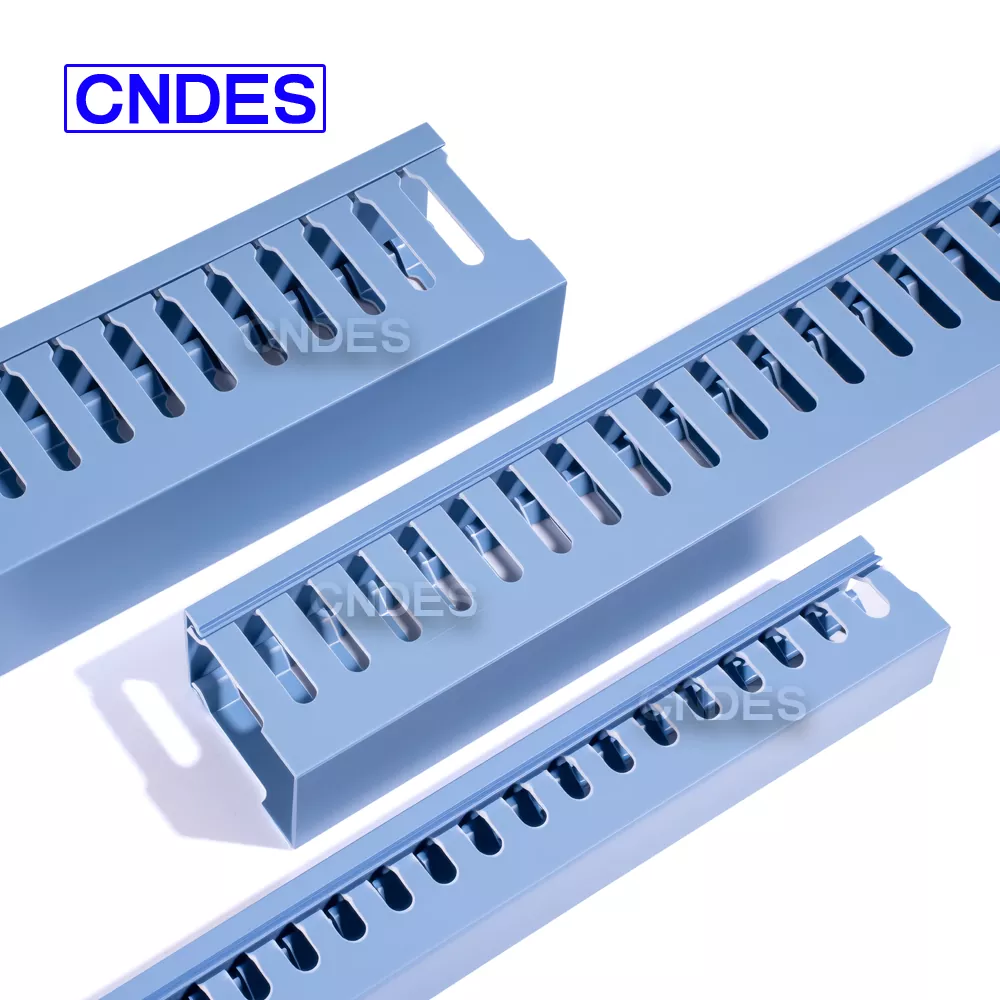
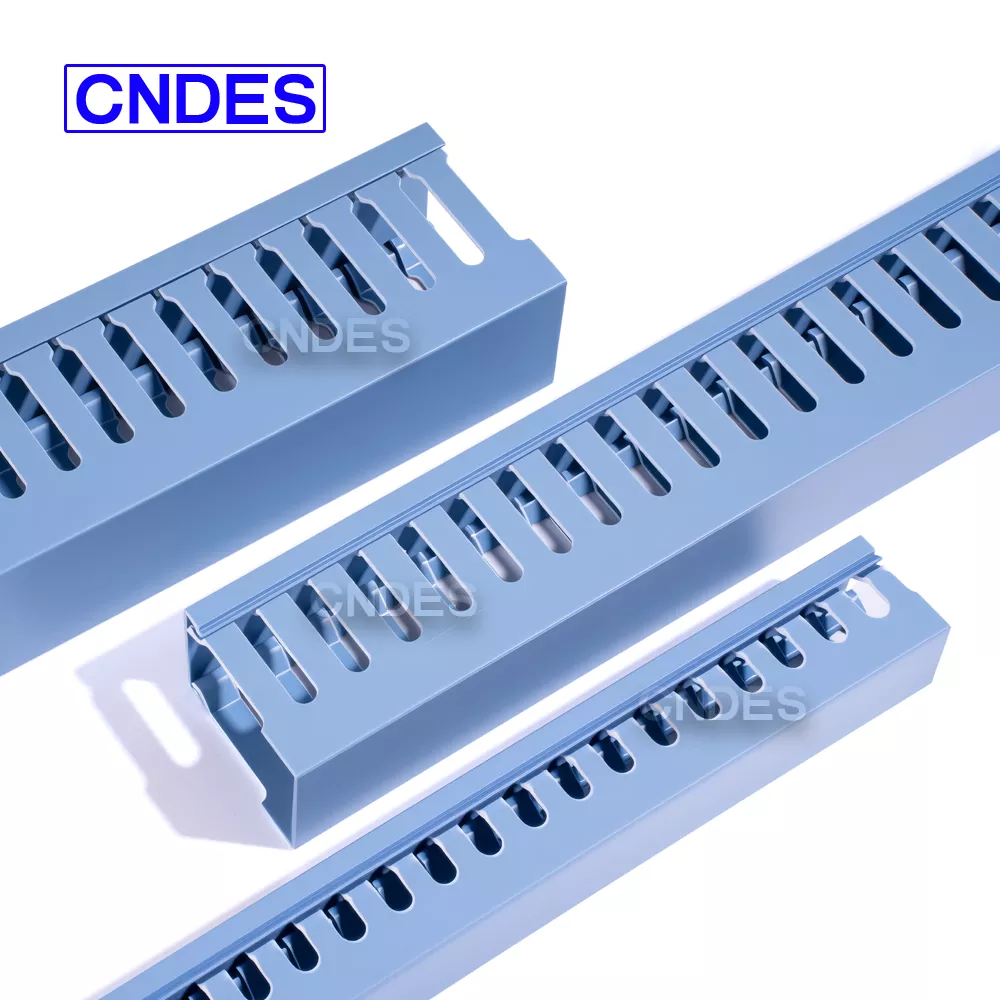
Cable Wiring Trunking is an essential component in modern electrical installations, providing structured cable routing, enhanced safety, and long-term maintenance efficiency. Whether in industrial control panels, commercial buildings, or residential projects, a high-quality trunking system ensures organized wiring, improved airflow, and professional-grade protection.

In this comprehensive guide, we explore what cable wiring trunking is, its types, materials, installation methods, industry standards, and how to select the right solution for your project. We also introduce professional manufacturing insights from CNDES, a trusted supplier of electrical wiring duct systems.

Cable Wiring Trunking

Table of Contents

  1. What Is Cable Wiring Trunking?
  2. Why Is Cable Wiring Trunking Important for Electrical Systems?
  3. What Are the Different Types of Cable Wiring Trunking?
  4. Which Materials Are Used in Cable Wiring Trunking?
  5. Where Is Cable Wiring Trunking Commonly Used?
  6. How to Install Cable Wiring Trunking Properly?
  7. How to Choose the Right Cable Wiring Trunking?
  8. Cable Wiring Trunking vs Conduit: What's the Difference?
  9. Maintenance and Safety Considerations
  10. Frequently Asked Questions
  11. Conclusion

What Is Cable Wiring Trunking?

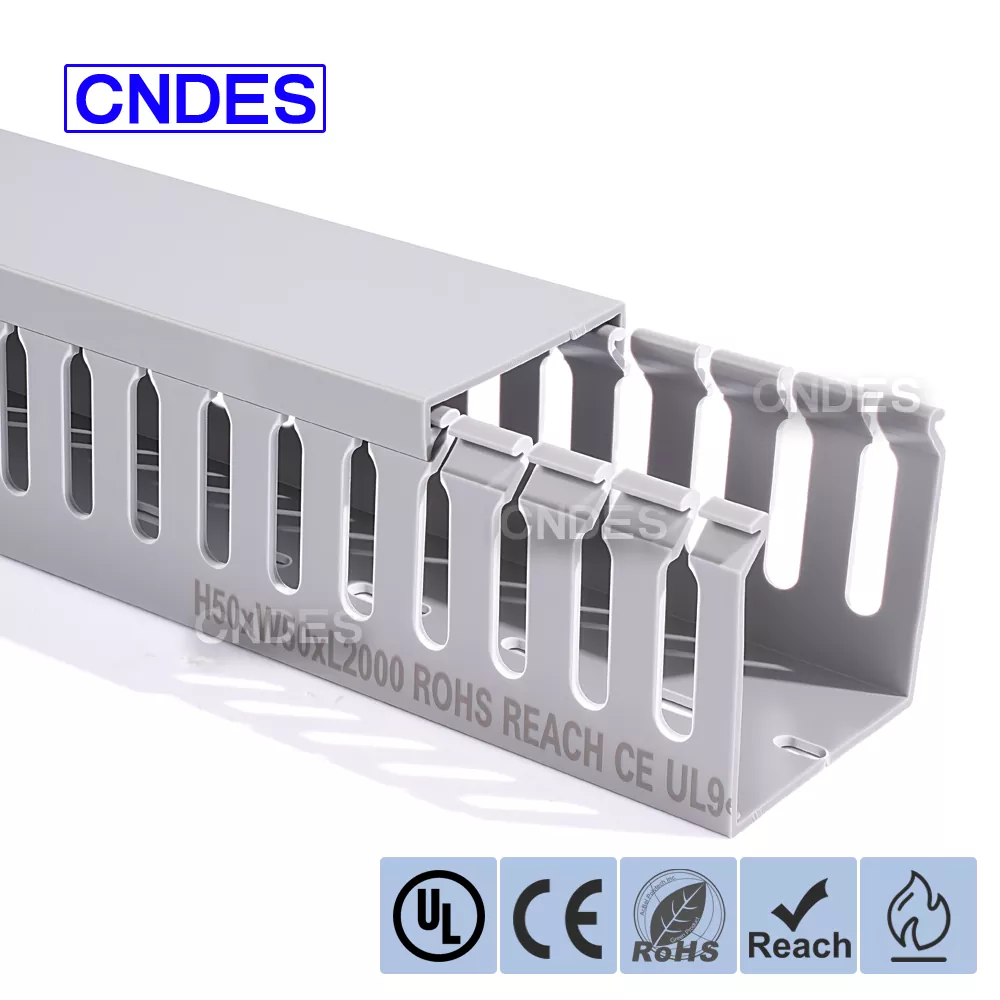
Cable Wiring Trunking is an enclosed channel system designed to route, protect, and organize electrical cables. It is commonly made of PVC or metal and used in power distribution cabinets, automation systems, and building installations.

Unlike loose cable arrangements, trunking systems create structured pathways that prevent tangling, mechanical damage, and electrical hazards. A well-designed trunking system ensures:

  • Neat cable organization
  • Enhanced airflow and heat dissipation
  • Improved safety and compliance
  • Easy inspection and maintenance

Modern solutions such as Cable Wiring Trunking systems are widely adopted in industrial automation and smart building projects.


Why Is Cable Wiring Trunking Important for Electrical Systems?

1. Electrical Safety

Proper trunking prevents exposed wiring, reduces short-circuit risks, and protects cables from environmental factors like dust and moisture.

2. Compliance with Industry Standards

Professional trunking solutions help meet international electrical safety standards and inspection requirements.

3. Maintenance Efficiency

Clearly separated and organized cables simplify troubleshooting and upgrades.

4. Aesthetic and Professional Appearance

For commercial environments, trunking provides a clean, organized installation that reflects quality workmanship.


What Are the Different Types of Cable Wiring Trunking?

Type Description Best For
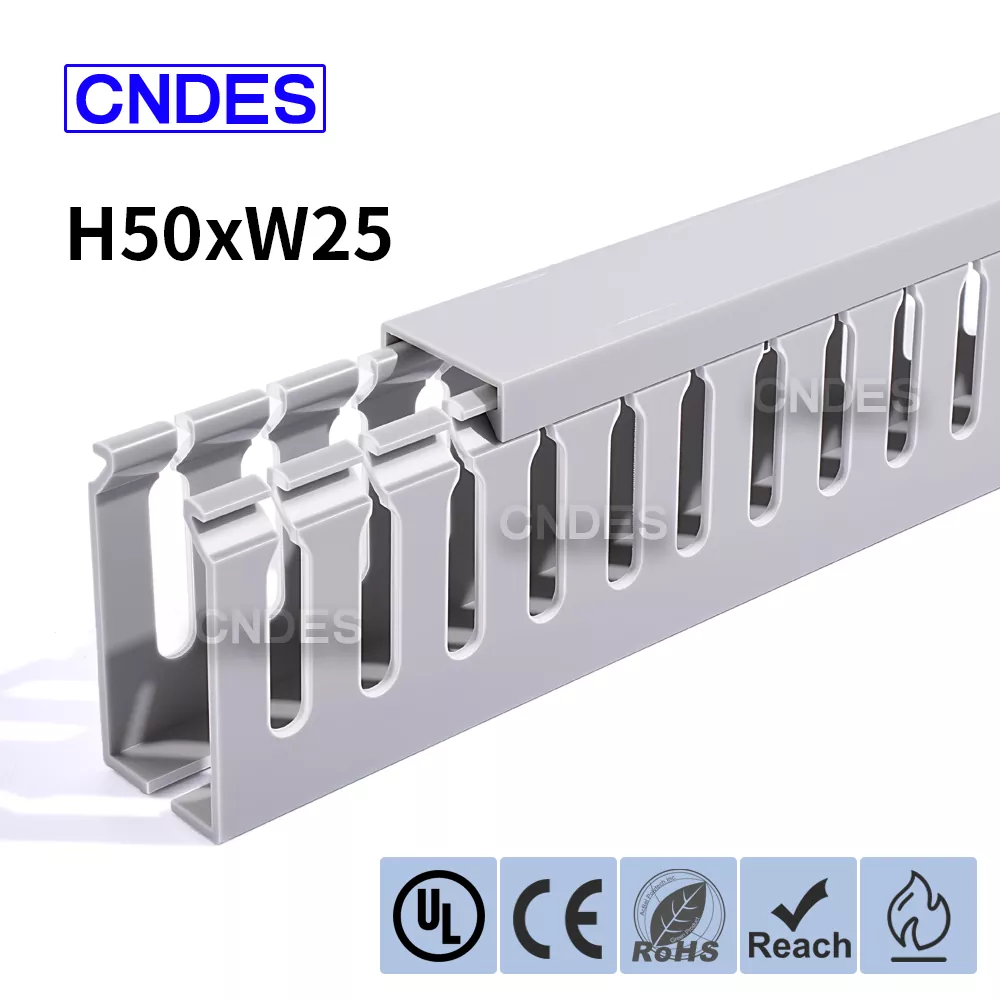
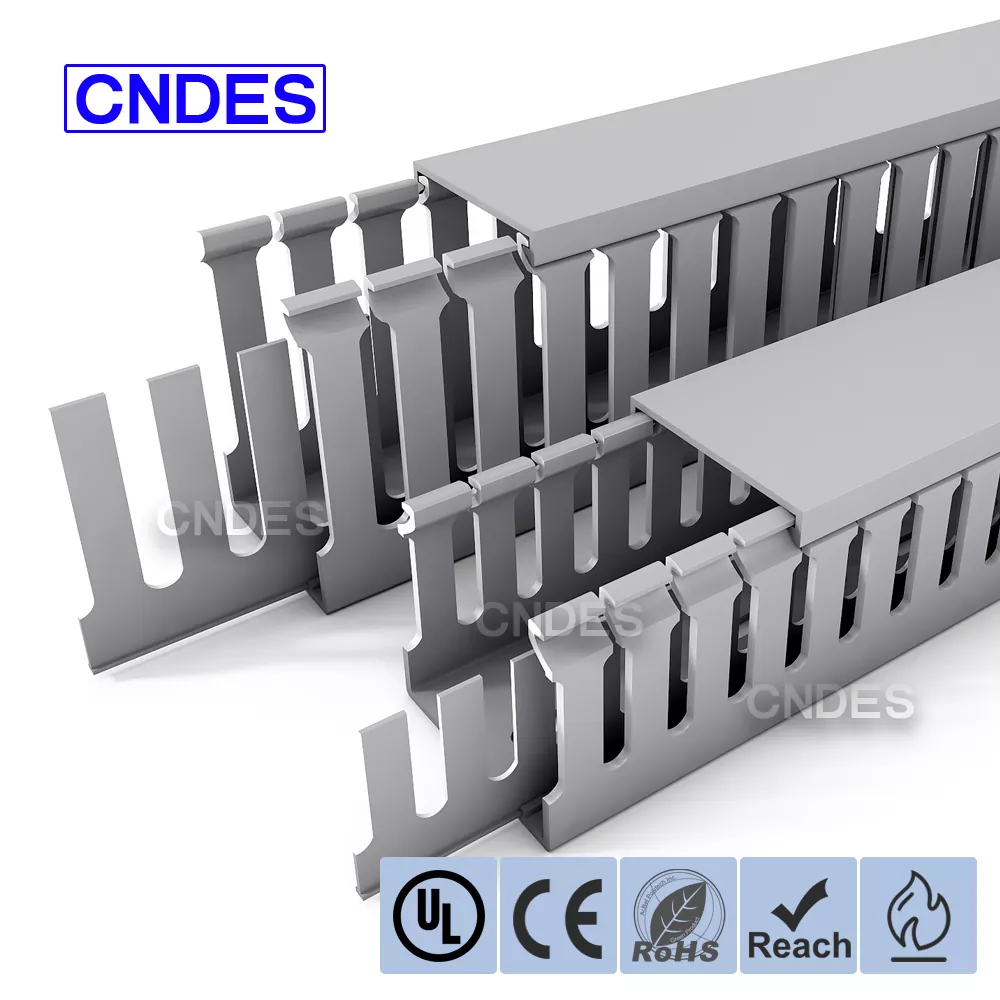
Slotted Wiring Duct Features open slots for easy cable routing Control panels
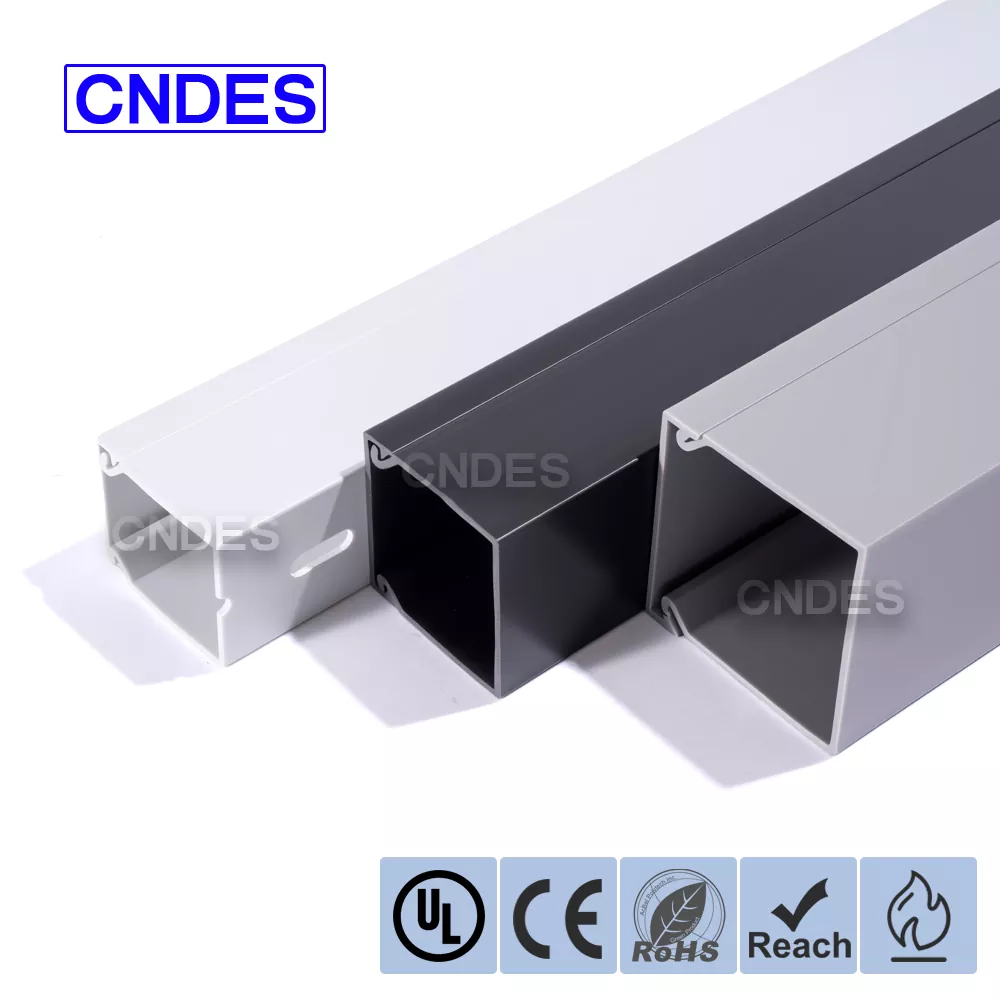
Solid Wall Trunking Fully enclosed for extra protection Public installations
Flexible Trunking Bendable material for curved routing Complex layouts
Metal Trunking Steel or aluminum for heavy-duty protection Industrial plants

Manufacturers like CNDES provide multiple trunking configurations to meet varying industrial needs.


Which Materials Are Used in Cable Wiring Trunking?

PVC (Polyvinyl Chloride)

  • Lightweight
  • Flame-retardant
  • Cost-effective
  • Corrosion-resistant

Steel

  • High mechanical strength
  • Impact-resistant
  • Suitable for heavy industrial use

Aluminum

  • Lightweight metal option
  • Good corrosion resistance

PVC trunking remains the most popular due to affordability and flexibility in installation.


Where Is Cable Wiring Trunking Commonly Used?

  • Industrial automation control cabinets
  • Commercial office buildings
  • Data centers
  • Residential electrical systems
  • Telecommunication installations

In industrial environments, organized trunking improves airflow and reduces overheating risks in control panels.


How to Install Cable Wiring Trunking Properly?

  1. Measure and mark installation routes.
  2. Cut trunking to required length.
  3. Secure trunking using screws or adhesive.
  4. Route cables neatly through slots or channels.
  5. Attach trunking cover securely.
  6. Inspect alignment and cable separation.

Best practices include avoiding overfilling, separating power and signal cables, and maintaining proper bend radius.


How to Choose the Right Cable Wiring Trunking?

Key Factors to Consider

  • Cable quantity and diameter
  • Environmental conditions
  • Fire resistance rating
  • Load-bearing requirements
  • Future expansion capacity

Professional suppliers such as CNDES offer customizable sizes and flame-retardant grades to meet project demands.


Cable Wiring Trunking vs Conduit: What's the Difference?

Feature Trunking Conduit
Accessibility Easy access Limited
Installation Speed Faster Slower
Best Use Panel wiring Underground or concealed wiring

Trunking is ideal for accessible installations requiring frequent maintenance.


Maintenance and Safety Considerations

  • Regular visual inspections
  • Avoid overloading channels
  • Replace damaged covers immediately
  • Ensure proper grounding for metal trunking

Routine maintenance extends service life and ensures consistent electrical safety.


Frequently Asked Questions

1. Is PVC cable wiring trunking fire-resistant?

Yes, high-quality PVC trunking is typically flame-retardant and compliant with industry standards.

2. Can trunking be reused?

In many cases, yes, provided it is not damaged and remains structurally sound.

3. What size trunking should I choose?

Select a size that accommodates current cables with 30–40% extra space for future expansion.

4. Is metal trunking better than PVC?

Metal offers greater impact resistance, while PVC provides cost efficiency and corrosion resistance.

5. How long does cable trunking last?

With proper installation and maintenance, trunking systems can last decades.


Conclusion

Cable Wiring Trunking plays a critical role in modern electrical infrastructure by ensuring safety, organization, and long-term reliability. Whether you are designing industrial control panels or commercial wiring systems, selecting the right trunking solution significantly improves performance and compliance.

As a professional manufacturer, CNDES provides high-quality cable wiring trunking systems designed for durability, flame resistance, and installation efficiency. If you are looking for reliable cable management solutions tailored to your project requirements, contact us today to explore customized options and competitive pricing.

Related News
Leave me a message
X
We use cookies to offer you a better browsing experience, analyze site traffic and personalize content. By using this site, you agree to our use of cookies. Privacy Policy
Reject Accept