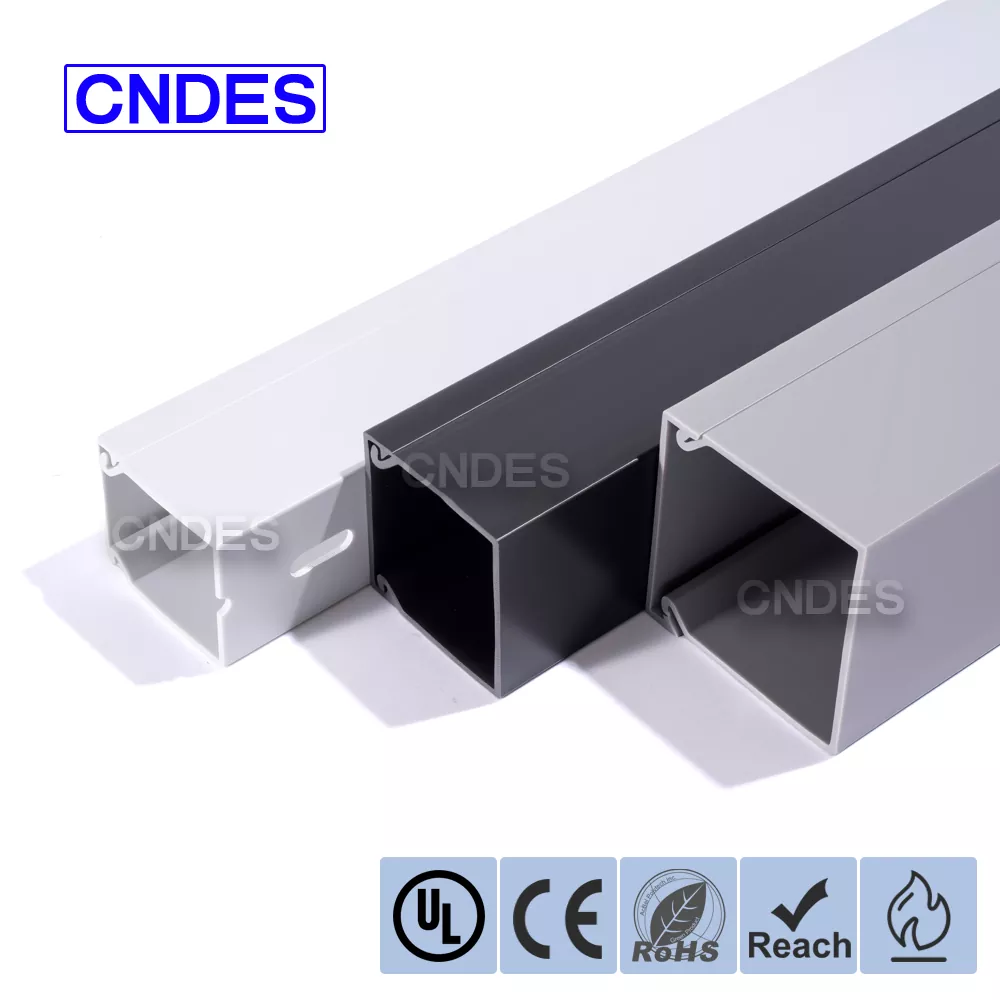
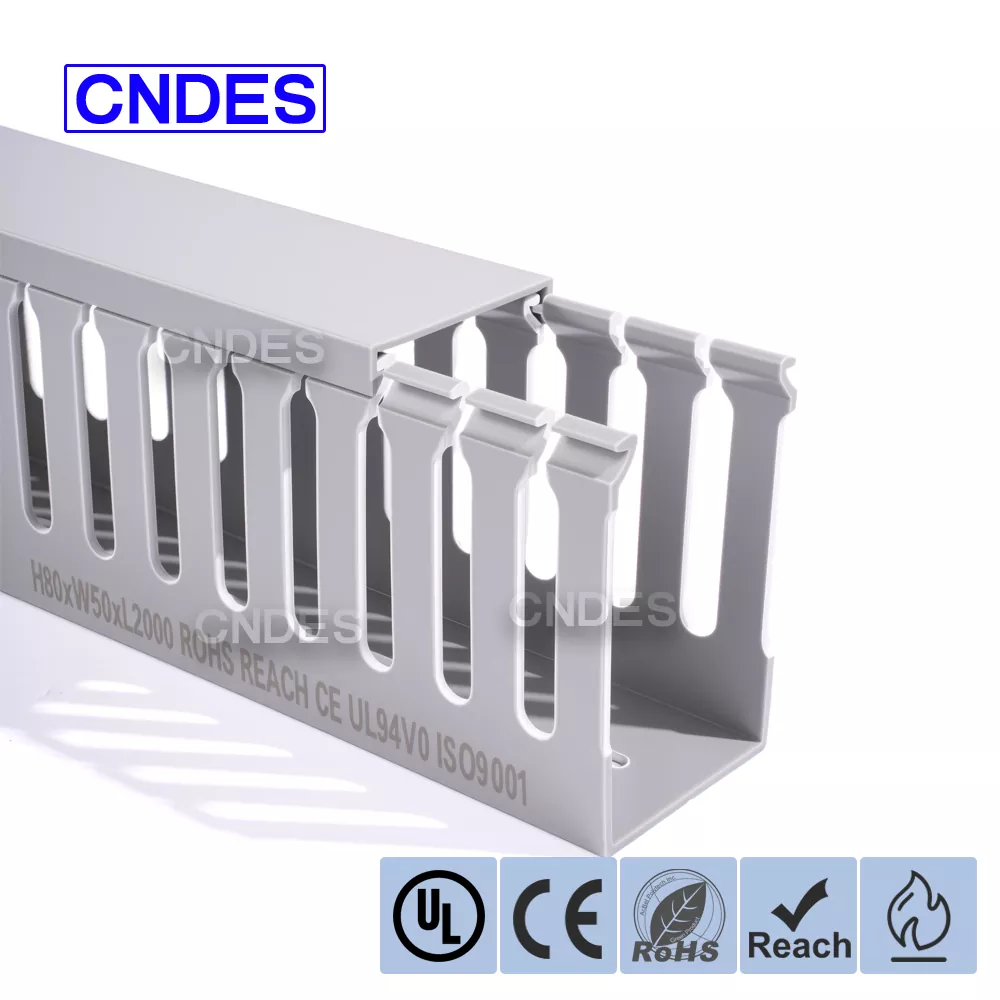
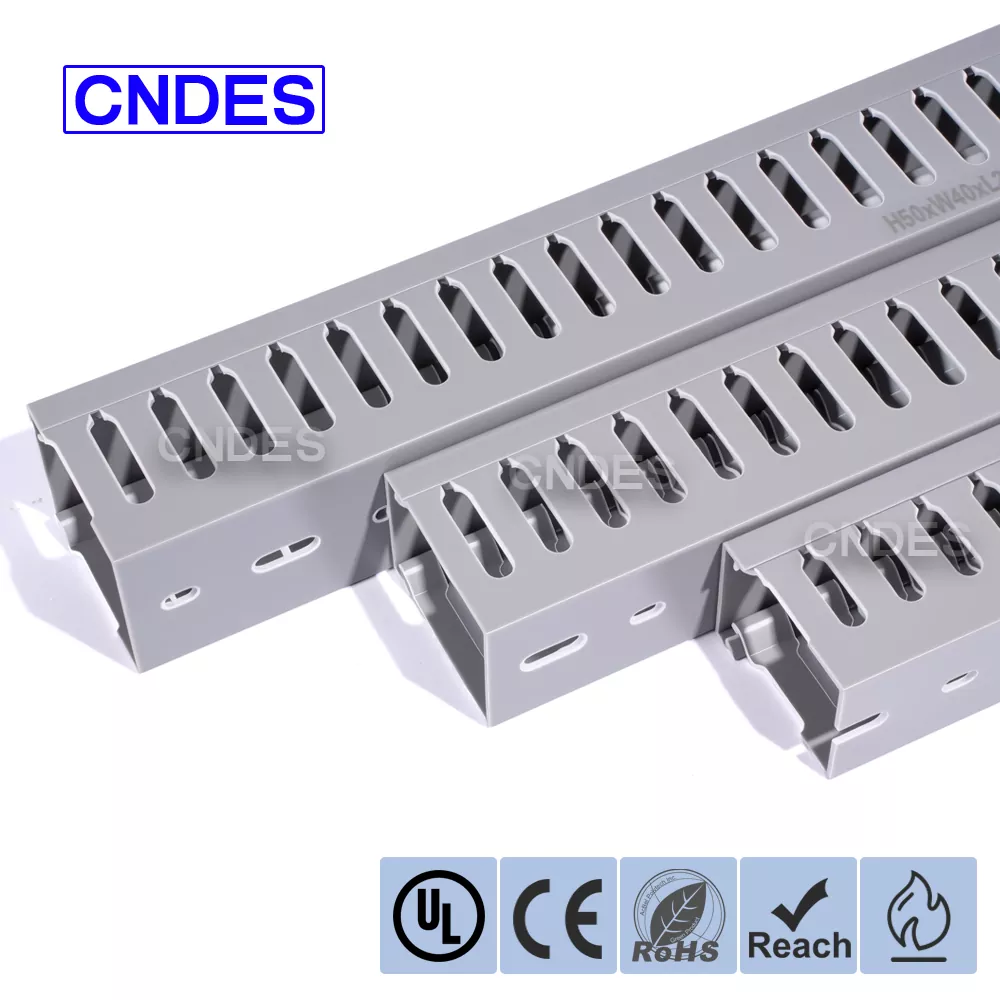
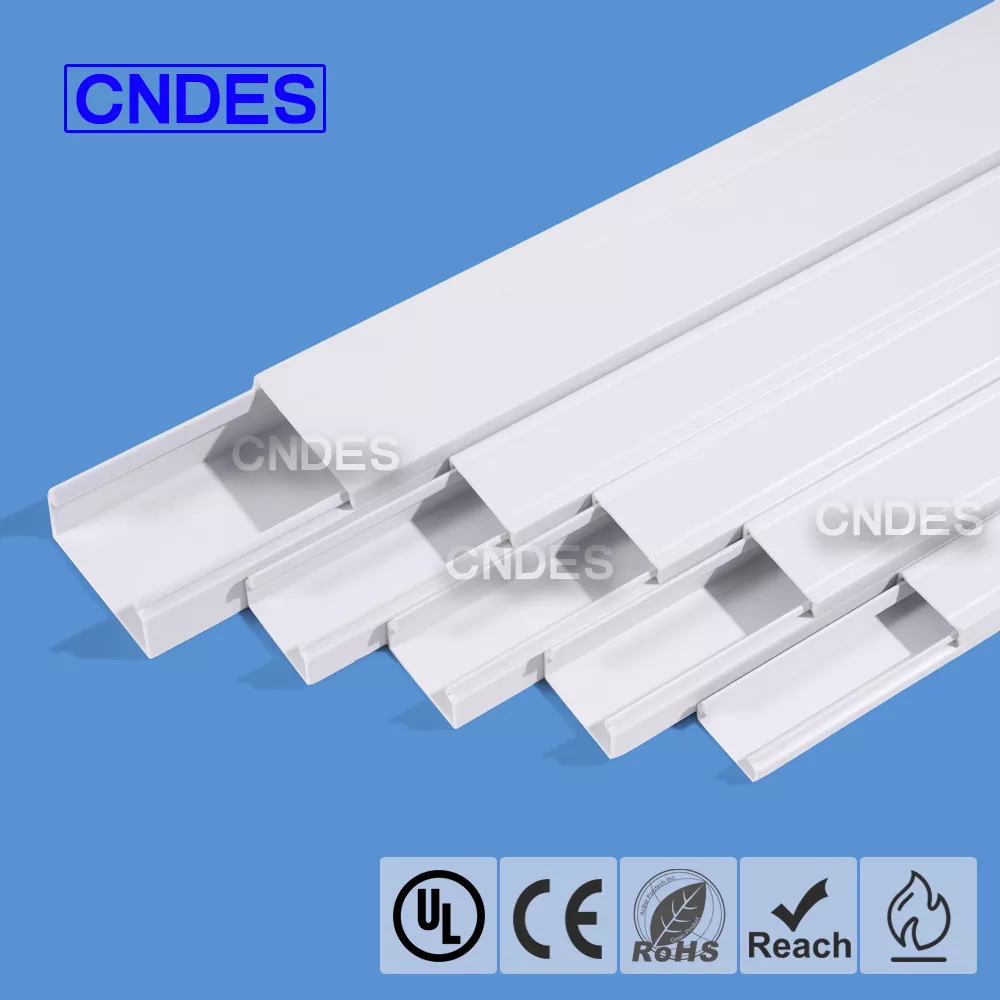
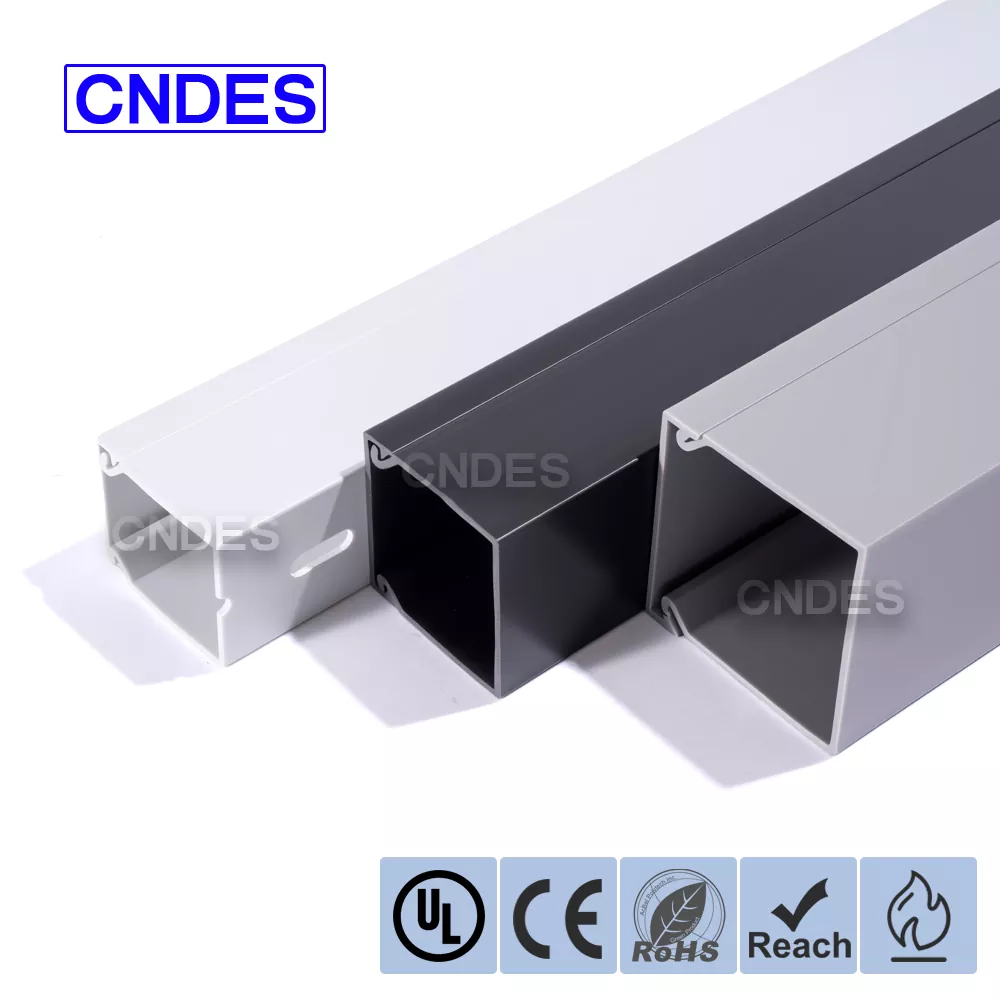
In modern electrical systems, proper cable organization and protection are critical for safety, efficiency, and long-term reliability. A Fully Enclosed Cable Duct provides a sealed and structured solution for routing cables in industrial panels, machinery, and infrastructure installations. This comprehensive guide explores what fully enclosed cable ducts are, how they work, their advantages, installation methods, and why they are widely used in electrical engineering environments.
Whether used in control cabinets, automation systems, or data centers, enclosed cable management systems prevent dust intrusion, protect cables from mechanical damage, and maintain an orderly wiring layout. In this article, we will explore the key features, technical benefits, application scenarios, and best practices for selecting the right cable duct solution.
A Fully Enclosed Cable Duct is a specialized cable management component designed to organize, route, and protect electrical wiring inside panels, cabinets, and industrial systems. Unlike slotted ducts or open cable trays, this type of duct completely encloses cables with a protective cover, ensuring a sealed environment that shields wiring from dust, debris, and mechanical damage.
These ducts are widely used in electrical control panels, automation equipment, and industrial facilities where reliability and safety are essential. By providing structured pathways for cables, they help engineers maintain a neat wiring layout while preventing tangling and signal interference.
For example, industrial wiring systems often utilize professional solutions like the Fully Enclosed Cable Duct manufactured by CNDES, which are designed for durability and long-term performance in demanding environments.
In complex electrical installations, cables carry power, signals, and data between various components. Without proper management, these cables can easily become tangled, damaged, or disorganized, leading to safety hazards and operational inefficiencies.
A fully enclosed duct addresses these issues by organizing cables in structured channels, ensuring better airflow and preventing external contamination.
Fully enclosed cable ducts are engineered with specific features that improve electrical system performance and reliability.
These characteristics make enclosed ducts ideal for industrial automation systems and electrical control cabinets.
| Feature | Description | Benefit |
|---|---|---|
| Fully Enclosed Structure | Closed body with removable cover | Protects cables from external damage |
| Flame Retardant Material | High-quality PVC or halogen-free plastics | Improves fire safety |
| Mounting Design | Pre-drilled holes for quick installation | Reduces installation time |
| Durability | Strong resistance to chemicals and impact | Suitable for harsh environments |
While open or slotted wiring ducts are commonly used in electrical cabinets, fully enclosed cable ducts provide several advantages in demanding environments.
| Feature | Fully Enclosed Cable Duct | Open Wiring Duct |
|---|---|---|
| Protection | High | Medium |
| Dust Resistance | Excellent | Limited |
| Cable Security | Strong cable retention | Moderate |
| Industrial Suitability | High | Medium |
Because of these advantages, fully enclosed ducts are preferred in environments where contamination control and cable safety are critical.
Manufacturers produce cable ducts using different materials and sizes to meet various installation requirements.
| Width | Height | Typical Application |
|---|---|---|
| 25mm | 25mm | Small control cabinets |
| 40mm | 40mm | Automation systems |
| 60mm | 60mm | Industrial machinery |
| 80mm+ | 80mm+ | Large electrical panels |
Fully enclosed cable ducts are used across numerous industries due to their reliability and protection capabilities.
In industrial environments, companies like CNDES provide high-quality wiring duct solutions that help engineers design safer and more efficient cable routing systems.
Installing a fully enclosed cable duct is relatively simple but requires proper planning to ensure optimal cable organization.
Proper installation ensures both safety and long-term reliability.
Selecting the right cable duct depends on several technical factors.
Choosing a high-quality product ensures better durability and reduces maintenance costs.
Although cable ducts require minimal maintenance, periodic inspection helps ensure optimal performance.
Regular maintenance prevents electrical hazards and extends the lifespan of both cables and equipment.
As industrial automation and smart manufacturing continue to evolve, cable management systems are also advancing.
These innovations will further improve safety, efficiency, and sustainability in electrical installations.
Its primary purpose is to organize and protect electrical wiring from environmental damage, dust, and mechanical stress.
They are commonly used in electrical control panels, automation systems, power distribution cabinets, and industrial machinery.
Most cable ducts are made from flame-retardant PVC or halogen-free engineering plastics.
For environments that require higher protection against dust and contamination, fully enclosed cable ducts provide better performance.
You should consider the number of cables, cable diameters, and future expansion requirements when selecting the appropriate duct size.
A Fully Enclosed Cable Duct is an essential component for modern electrical installations. By providing structured cable routing, enhanced protection, and improved safety, it ensures reliable performance in industrial environments.
With increasing demands for automation, data transmission, and electrical safety, enclosed cable management systems are becoming a standard solution in control panels and industrial infrastructure.
If you are looking for reliable wiring duct solutions for your electrical systems, the professional products offered by CNDES can help you achieve safer, cleaner, and more efficient cable management. For product details, technical support, or customized solutions, feel free to contact us.