Article Summary: Exposed cables may look like a small problem at first, but they often create bigger issues for homeowners, electricians, facility managers, office renovators, and project buyers. Loose wiring can affect safety, maintenance speed, appearance, and long-term reliability. This article explains how PVC Cable Trunking helps organize visible cables, protect wiring routes, simplify installation, and support cleaner electrical layouts in residential, commercial, and light industrial environments. It also shares practical selection points, installation concerns, and buying tips for teams comparing cable management options.
Many wiring projects begin with one simple goal: connect power, data, or communication lines from one point to another. The trouble usually appears later. Cables start crossing walls, corners become crowded, maintenance teams cannot identify routes quickly, and the final space looks unfinished even after the electrical work is technically complete.
For offices, retail stores, schools, apartments, workshops, and equipment rooms, exposed wiring is more than a visual problem. Unprotected cables may be pulled, scratched, bent, contaminated by dust, or damaged during daily cleaning and renovation work. When several cables run together without a defined path, future troubleshooting becomes slower and more expensive.
This is where PVC Cable Trunking becomes valuable. It gives visible wiring a protected route, keeps cable groups organized, and helps installers create a neat surface-mounted system without cutting into walls. For buyers, that means less mess during installation, easier future access, and a more professional final appearance.
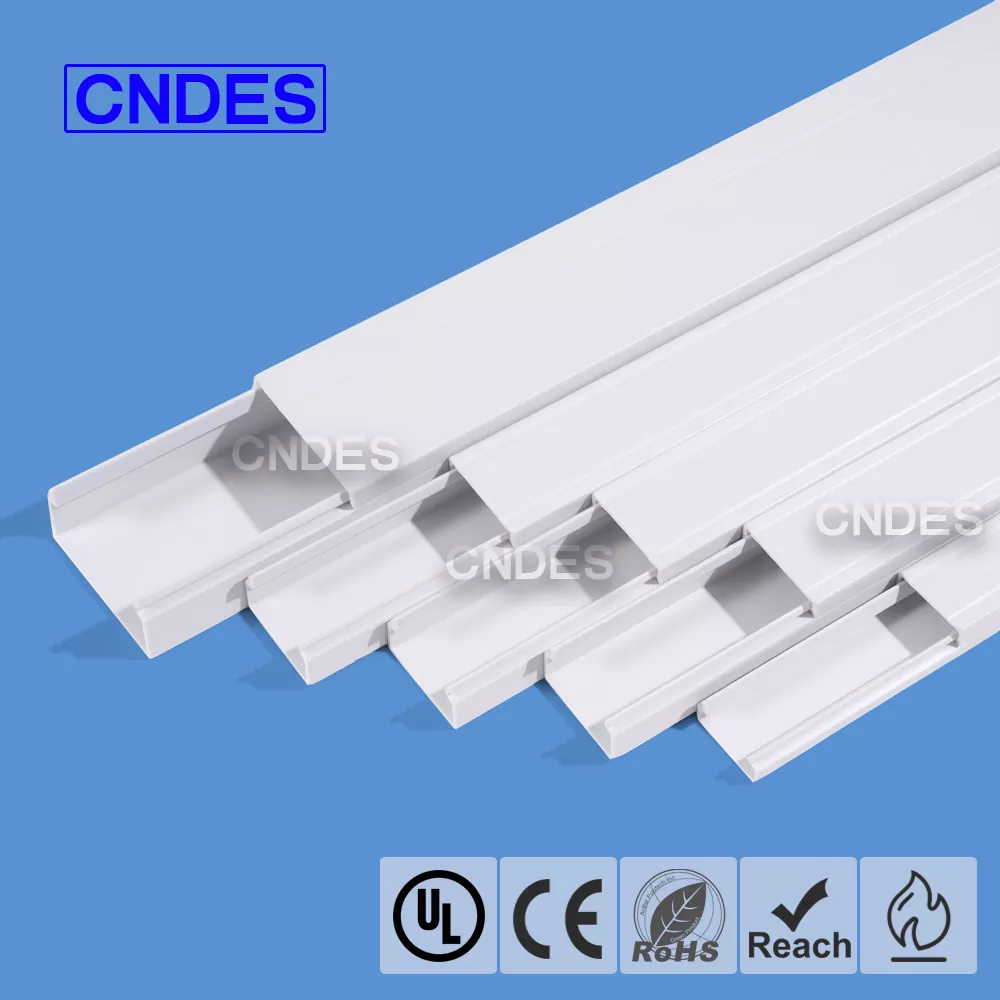
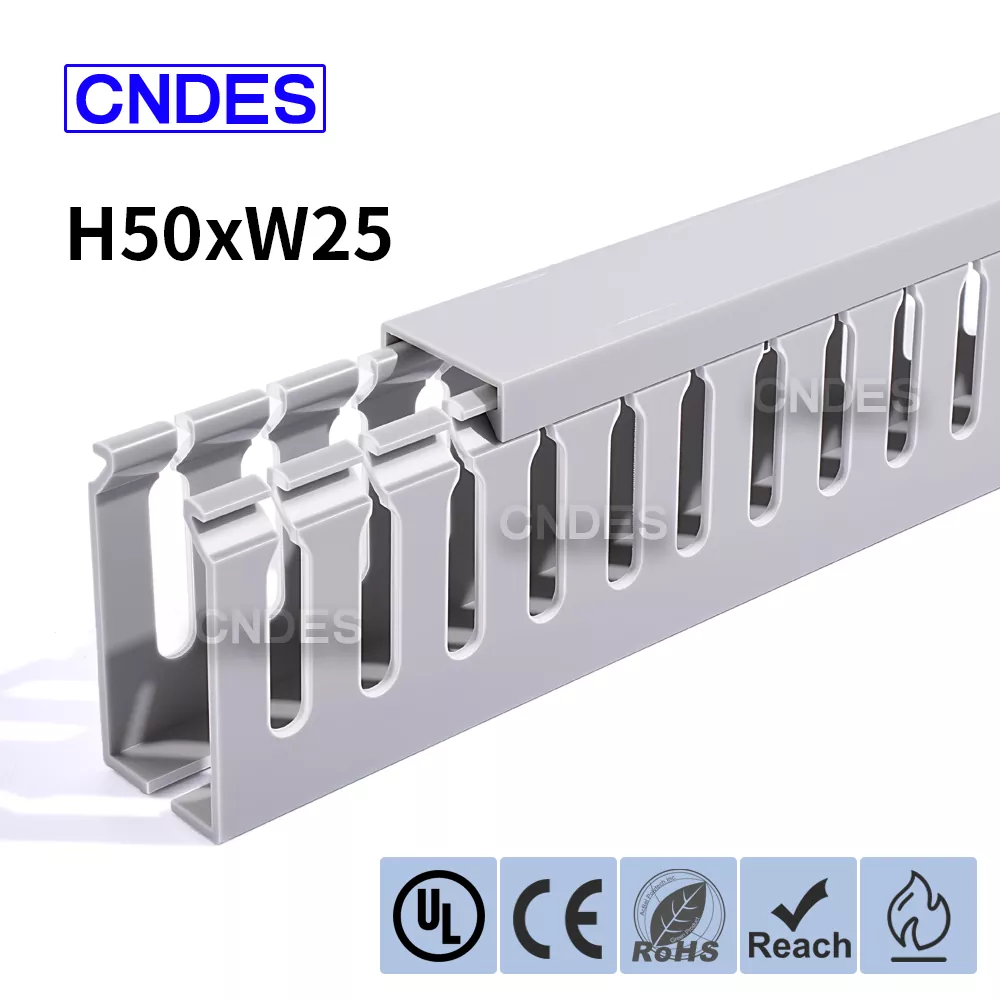
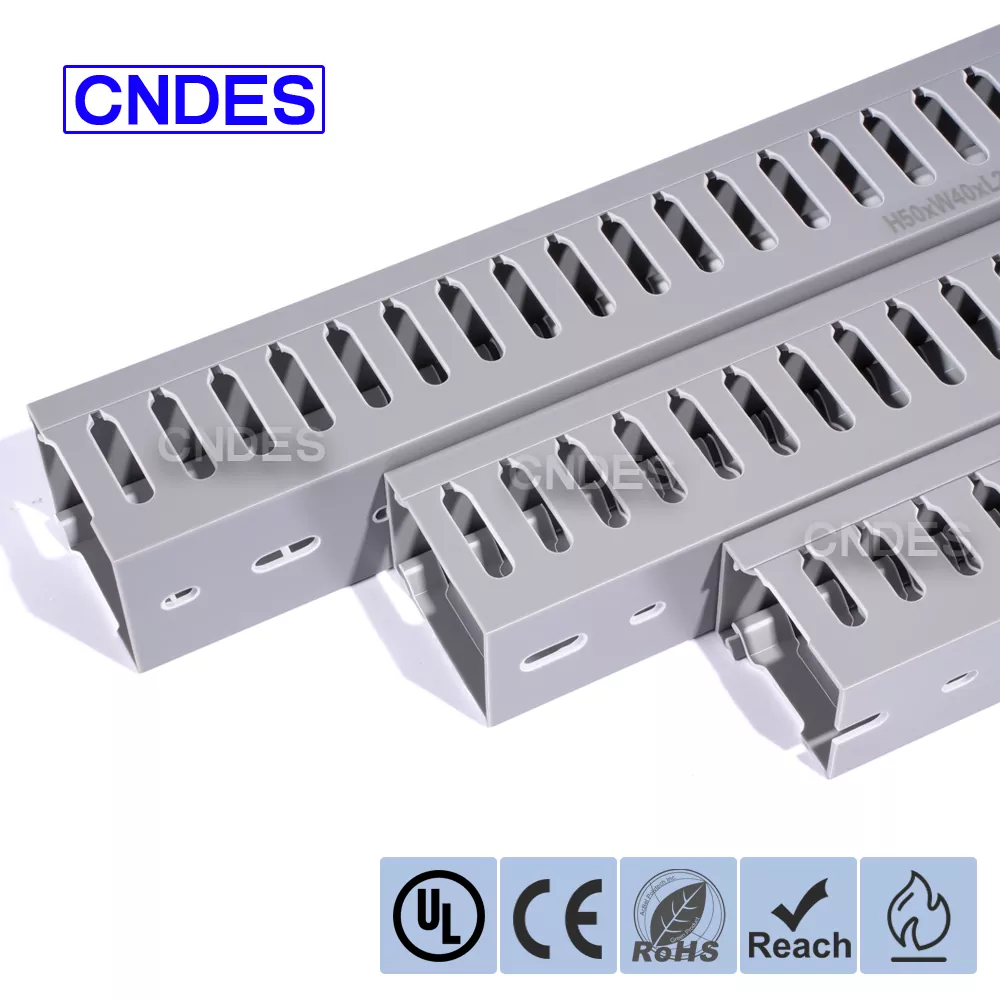
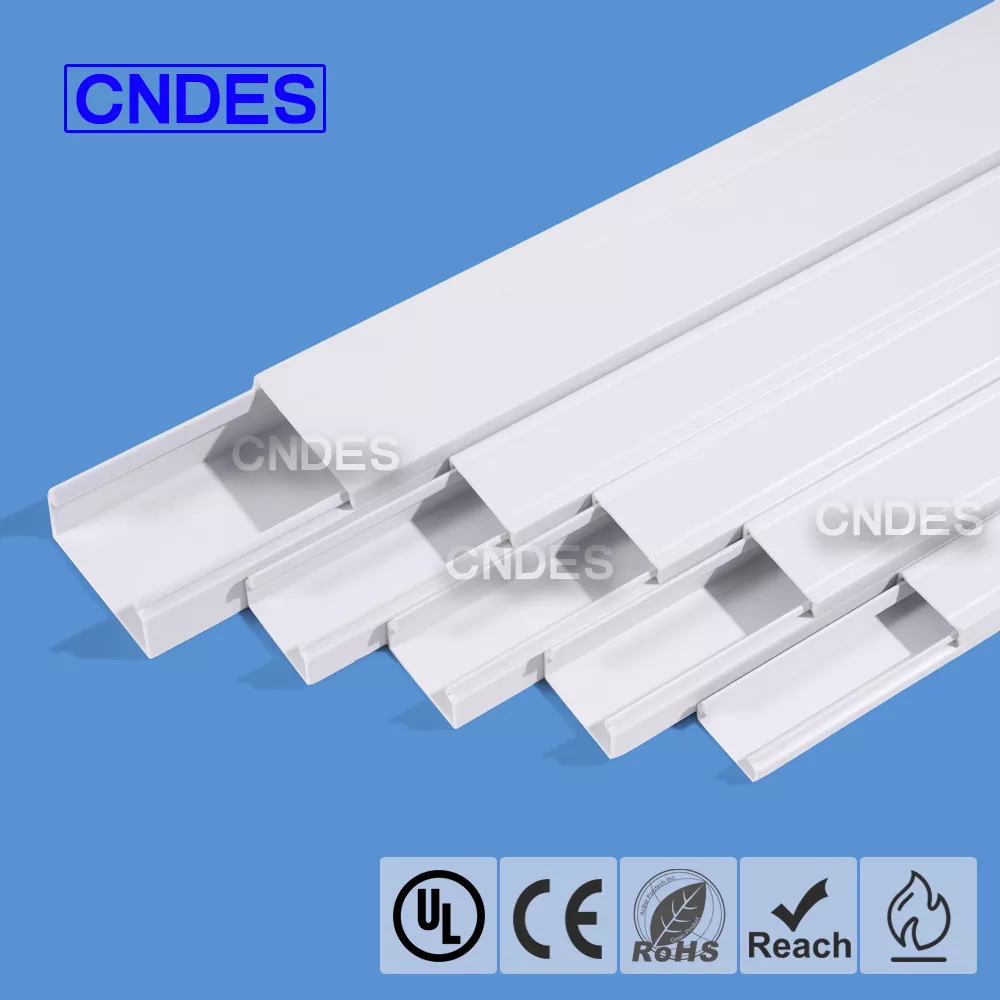
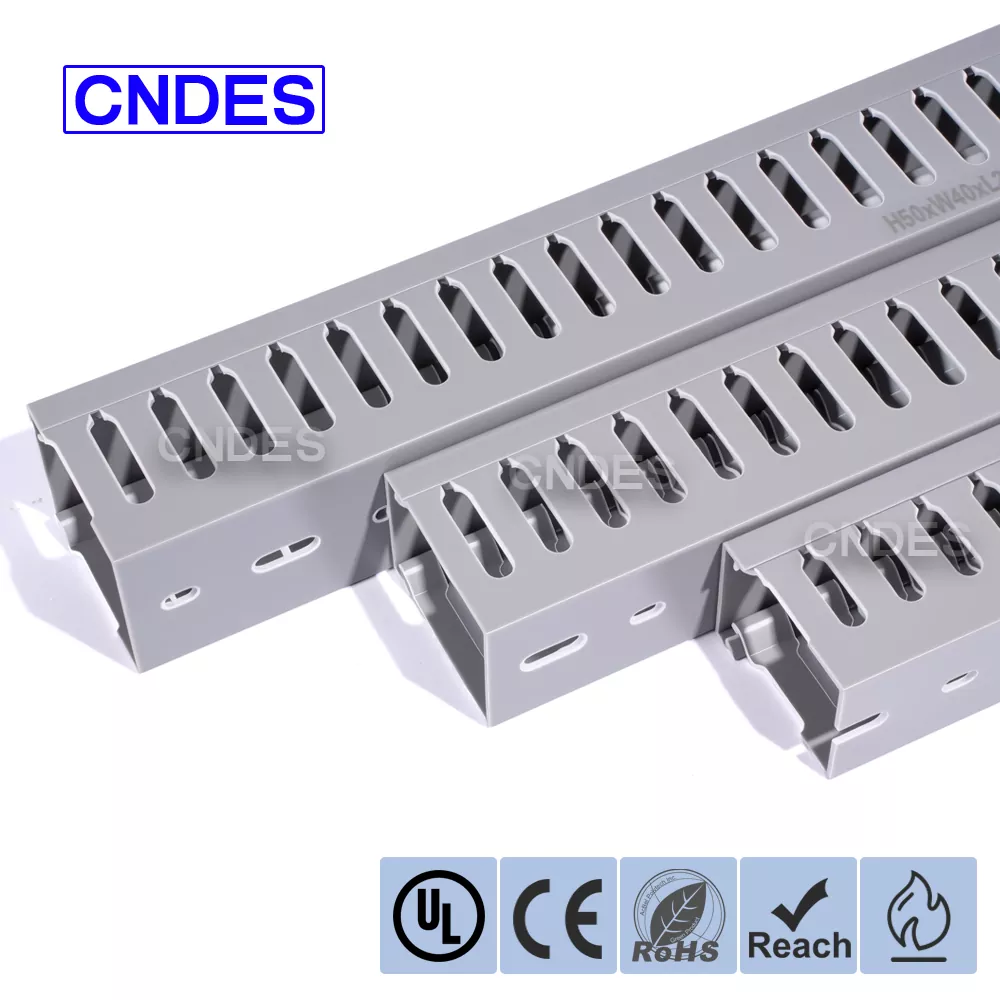
PVC Cable Trunking is a surface-mounted cable management channel usually made with a base and a removable cover. Cables are placed inside the channel, then the cover is closed to create a clean and protected route along walls, ceilings, cabinets, or other flat surfaces.
The main value is balance. It protects cables without making them difficult to reach. It hides wiring without requiring major building work. It improves appearance without forcing project teams into expensive concealed installations. In real projects, this balance often matters more than any single specification.
Yueqing Desai Plastic Co., Ltd. provides PVC cable management products for projects that require clean routing, practical installation, and consistent product quality. For buyers comparing suppliers, details such as material stability, cover fit, available dimensions, customization support, and packaging reliability can directly affect installation efficiency.
Common pain point: Many buyers do not only need a “plastic channel.” They need a trunking product that fits the cable load, stays neat after installation, opens when maintenance is required, and supports a consistent look across the whole project.
The best reason to choose PVC Cable Trunking is not simply that it looks tidy. Its real value appears across the full life cycle of a wiring project, from planning to installation to later maintenance.
In many commercial projects, the ability to open the cover later is especially important. A beautiful wall is not useful if every cable adjustment requires destructive work. PVC Cable Trunking keeps the route accessible, which helps reduce downtime when wiring needs change.
| Routing Method | Main Strength | Common Limitation | Best Use Case |
|---|---|---|---|
| PVC Cable Trunking | Clean appearance, accessible cover, easy surface installation | Requires correct size selection and neat alignment | Offices, homes, shops, schools, renovation projects, equipment rooms |
| Concealed In-Wall Wiring | Fully hidden cable route | Higher labor cost, difficult changes after installation | New buildings or major renovation projects |
| Loose Cable Clips | Low material cost and simple fixing | Limited protection and less professional appearance | Temporary or very small wiring runs |
| Metal Raceway | Higher mechanical strength | Heavier, often more expensive, may need more tools | Industrial areas with higher impact risk |
| Flexible Conduit | Good for curved or moving routes | Less neat for long visible straight runs | Machine connections, special cable transitions, irregular paths |
For many indoor projects, PVC Cable Trunking offers the most practical middle ground. It is cleaner than loose clips, easier to access than hidden wiring, and more economical than many heavy-duty alternatives when the installation environment does not require metal protection.
Choosing trunking only by price is a common mistake. A low-cost product that is too small, too thin, poorly fitted, or hard to open can increase labor time and create complaints after installation. Buyers should evaluate the real cable route before confirming an order.
Start with cable quantity. The trunking should not be packed so tightly that the cover becomes difficult to close. A little spare space is useful because many buildings later add network lines, monitoring cables, access control wiring, or communication cables. Planning for future expansion usually costs less than replacing the whole route.
Next, look at installation conditions. For a clean office wall, a white matte finish may blend naturally with the surroundings. For corners, ceilings, and longer routes, straightness and cover stability become important. If the project needs faster installation, adhesive options may help in suitable environments, though mechanical fixing is often preferred where stronger long-term holding is required.
Material quality also matters. Good PVC trunking should feel stable, close firmly, and maintain appearance under normal indoor use. Flame-retardant performance, temperature resistance, color consistency, and dimensional accuracy are all useful signals when comparing suppliers. Yueqing Desai Plastic Co., Ltd. offers products in multiple specifications and supports customization for project needs such as size, length, color, packaging, and printing.
Even a good PVC Cable Trunking product needs careful installation. Clean lines, accurate cutting, and proper fixing make the difference between a professional project and a rushed one.
Before installation, mark the route clearly. Avoid unnecessary turns, keep the trunking aligned, and consider where future technicians may need access. When cutting trunking, use suitable tools to keep the edge clean. Rough cuts can leave gaps at joints and corners, which affects both appearance and cover fit.
For wall-mounted routes, the surface should be clean, dry, and flat. If using adhesive backing, pressure should be applied evenly, and the surface condition must be suitable for bonding. For heavier cable loads or long-term commercial use, screws or other secure fixing methods are often recommended. The installer should also avoid overfilling the trunking, because crowded cables can push against the cover and reduce the neatness of the route.
Good installation also considers separation. Power cables and data cables may require thoughtful routing to reduce interference and simplify maintenance. In some projects, separate channels or partitioned solutions may be more appropriate. A professional supplier can help buyers compare options before bulk ordering.
Installer tip: A trunking route should be easy to understand at a glance. If a future technician can quickly trace the cable path without opening every section, the installation has already saved time for the next maintenance job.
For small home use, buying a few meters of trunking may seem simple. For distributors, contractors, panel builders, and project procurement teams, supplier reliability becomes much more important. The product must arrive in consistent size, acceptable appearance, suitable packaging, and stable quantity. If the cover fit changes from batch to batch, installers lose time. If the color varies too much, the final route looks inconsistent. If packaging is weak, long pieces may arrive bent or damaged.
This is why buyers often look beyond the product photo. They ask whether the manufacturer can provide samples, confirm specifications, support custom packaging, and maintain production consistency. Yueqing Desai Plastic Co., Ltd. focuses on PVC wiring duct and cable trunking solutions, helping customers match product details with practical installation needs.
A strong supplier relationship is especially useful when the buyer needs more than standard white trunking. Custom colors, adjusted lengths, printing, adhesive options, and packaging changes can help distributors serve different markets. For project contractors, the ability to confirm specifications before shipment can reduce site delays and avoid mismatched materials.
Q: Is PVC Cable Trunking suitable for both homes and commercial spaces?
A: Yes. It is commonly used in homes, offices, shops, schools, workshops, and renovation projects where visible cables need a cleaner and safer route. The key is choosing the correct size, fixing method, and layout for the environment.
Q: Can the cover be opened after installation?
A: Many PVC trunking products use a removable or snap-in cover design. This allows technicians to inspect cables, add new lines, or replace existing wiring without removing the whole trunking route.
Q: How do I know which trunking size to choose?
A: Count the cables, check their diameter, and reserve extra internal space for future additions. If the trunking is too small, the cover may be difficult to close and cable maintenance will become inconvenient.
Q: Is adhesive-backed trunking always enough?
A: Adhesive backing can be useful for light-duty routes on clean and suitable surfaces. For heavier cable loads, rough walls, long routes, or commercial projects, mechanical fixing may provide better long-term stability.
Q: Can PVC Cable Trunking be customized?
A: Customization may include size, length, color, packaging style, printing, and adhesive options. Buyers should confirm details with the manufacturer before placing bulk orders.
Q: Why should I choose a manufacturer instead of only comparing the lowest price?
A: Low price alone does not guarantee stable quality. A reliable manufacturer can help with sample confirmation, consistent production, correct packaging, and specification matching, which can reduce problems during installation and resale.
PVC Cable Trunking is a practical answer to one of the most common wiring problems: how to keep cables protected, accessible, and visually organized without heavy construction work. It is especially useful for projects where clean appearance, installation speed, maintenance access, and cost control all matter at the same time.
For buyers, the smartest choice is not simply the cheapest trunking. The better choice is a product that fits the cable load, closes securely, stays neat after installation, and comes from a supplier that understands real project requirements. Yueqing Desai Plastic Co., Ltd. can support customers with PVC cable trunking solutions for different installation needs, helping projects move from messy wiring to cleaner cable management with confidence.
If you are comparing sizes, planning a renovation project, sourcing for distribution, or looking for customized PVC Cable Trunking, Yueqing Desai Plastic Co., Ltd. is ready to help you choose a practical solution. Share your project requirements, cable quantity, preferred size, color, and packaging needs with our team today. For samples, quotations, or technical suggestions, please contact us and let us help you build a cleaner, safer, and more professional wiring layout.