Yueqing Desai Plastic Co., Ltd.
News

What Are PVC Separator Wiring Ducts and How Can They Improve Cable Management Efficiency in Industrial Control Panels

2026-02-25 0 Leave me a message

PVC Separator Wiring Ducts are essential components in modern industrial cable management systems. Designed with internal dividers, these ducts allow safe, organized, and efficient routing of different categories of wires within electrical control panels. In this comprehensive guide, we explore the structure, material advantages, application scenarios, installation methods, standards compliance, and selection criteria of PVC Separator Wiring Ducts. Whether you are an electrical engineer, panel builder, or procurement specialist, this article will help you understand how high-quality products from CNDES can enhance safety, reliability, and efficiency in your wiring projects.

PVC Separator Wiring Ducts

Table of Contents


1. What Are PVC Separator Wiring Ducts?

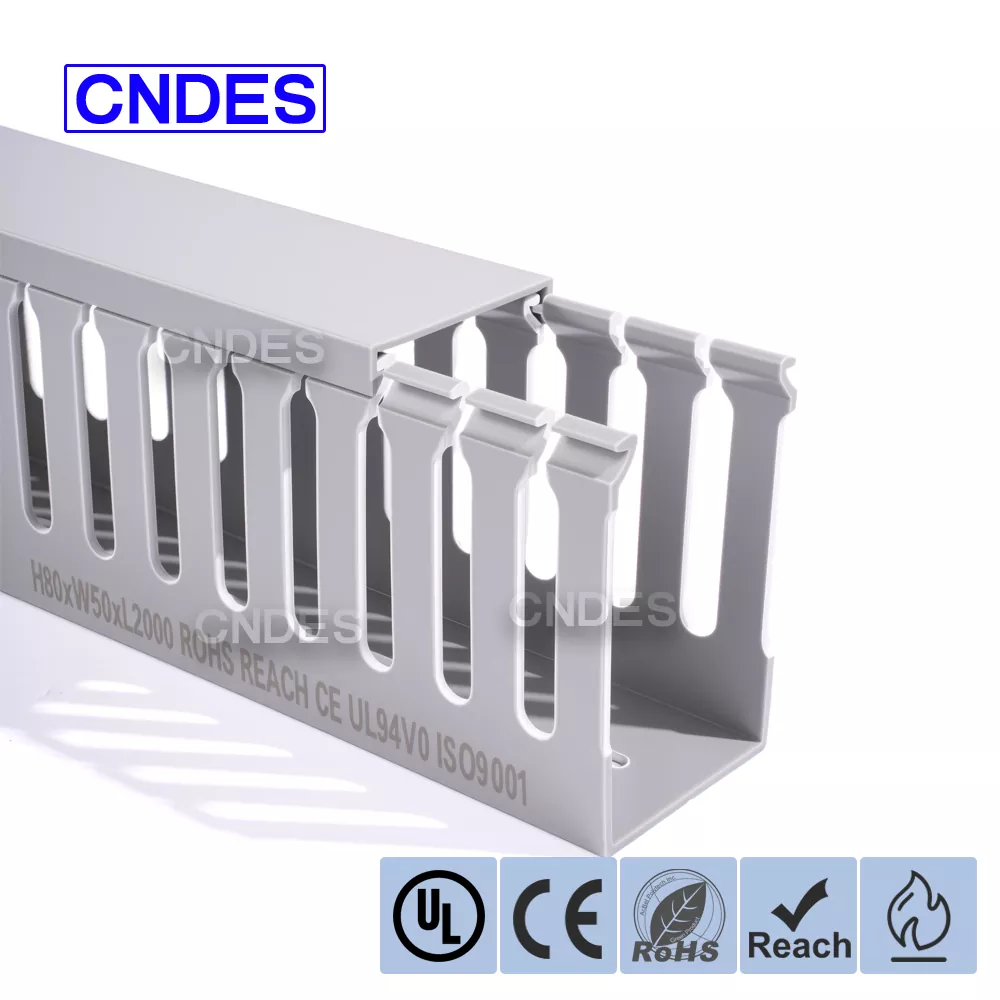
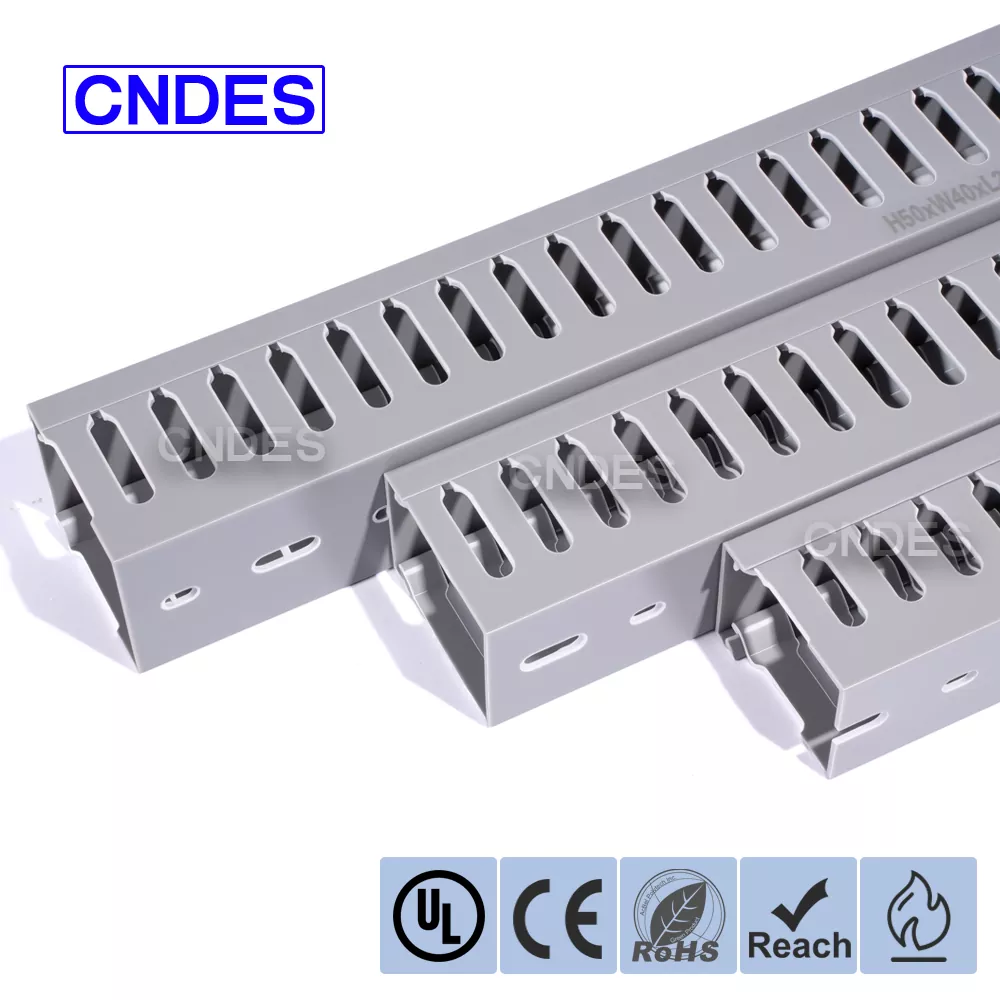
PVC Separator Wiring Ducts are specialized cable trunking systems designed to route and protect electrical wires inside control panels and distribution cabinets. Unlike traditional slotted ducts, separator ducts include internal partitions that divide the duct into multiple channels. This allows different voltage levels or signal types to be routed separately within the same duct body.

These ducts are typically manufactured from high-quality, flame-retardant PVC material and are available in multiple sizes to meet diverse wiring requirements. Leading manufacturers such as CNDES PVC Separator Wiring Ducts provide precision-engineered designs to support modern industrial automation systems.

  • Slotted sidewalls for flexible cable exit
  • Internal separators for signal isolation
  • Snap-on covers for easy maintenance
  • High flame-retardant performance
  • RoHS-compliant materials

2. Why Use Separator Wiring Ducts in Control Panels?

Modern industrial control panels often contain a mixture of power cables, control wires, communication lines, and sensor wiring. Without proper separation, electromagnetic interference (EMI), signal distortion, and safety hazards can occur.

Key Reasons to Use PVC Separator Wiring Ducts:

  1. Electrical Safety: Separate high-voltage and low-voltage circuits.
  2. Reduced EMI: Prevent interference between signal and power cables.
  3. Improved Organization: Streamlined cable routing.
  4. Faster Maintenance: Easy identification of wire categories.
  5. Compliance with Standards: Meet industrial wiring regulations.

In complex automation systems, proper cable segregation is not just a convenience—it is a requirement for operational reliability.


3. Key Features and Technical Specifications

High-quality PVC Separator Wiring Ducts are engineered to deliver performance, durability, and installation efficiency.

Common Technical Specifications:

  • Material: Rigid PVC (self-extinguishing)
  • Flame Rating: UL94 V-0 (typical)
  • Working Temperature: -40°C to 85°C
  • Standard Length: 2 meters
  • Color: Grey (RAL 7030 commonly)
  • Mounting: Screw mounting holes at base

CNDES ensures consistent wall thickness, smooth slot edges, and dimensional accuracy for optimal panel assembly performance.


4. Material Advantages of PVC in Cable Management

PVC (Polyvinyl Chloride) is widely used in cable management systems due to its unique balance of cost, durability, and safety performance.

Advantages of PVC:

  • Excellent insulation properties
  • High chemical resistance
  • Lightweight yet strong
  • Self-extinguishing characteristics
  • Cost-effective manufacturing

Compared to metal cable trays, PVC ducts eliminate corrosion concerns and reduce installation weight inside cabinets.


5. Typical Applications Across Industries

PVC Separator Wiring Ducts are commonly used in:

  • Industrial automation control panels
  • Power distribution cabinets
  • Telecommunication equipment racks
  • Renewable energy inverter systems
  • Railway signaling control systems
  • Machine tool electrical enclosures

In high-density wiring environments, separator ducts significantly improve cable routing clarity and reduce troubleshooting time.


6. Installation Guidelines and Best Practices

Step-by-Step Installation Process:

  1. Measure and cut the duct to required length.
  2. Align the base on the panel backplate.
  3. Secure with screws using pre-punched mounting holes.
  4. Route cables according to voltage classification.
  5. Snap the cover securely in place.

Best Practices:

  • Avoid overfilling beyond 60–70% capacity.
  • Maintain clear labeling for separated channels.
  • Ensure sufficient spacing between parallel ducts.
  • Use appropriate bend radius for cables.

7. Comparison Table: Standard vs. Separator Wiring Ducts

Feature Standard Slotted Duct PVC Separator Wiring Duct
Internal Divider No Yes
Signal Isolation Limited Excellent
EMI Reduction Basic Enhanced
Panel Organization Moderate High
Application Complexity Low to Medium Medium to High

8. How to Choose the Right PVC Separator Wiring Duct

When selecting a PVC Separator Wiring Duct, consider:

  • Panel dimensions
  • Total cable volume
  • Voltage classification requirements
  • Compliance standards
  • Future expansion capacity

It is recommended to choose reputable manufacturers like CNDES to ensure quality consistency, certification compliance, and technical support.


9. Compliance with International Standards

High-quality PVC Separator Wiring Ducts typically comply with:

  • UL certification standards
  • CE directives
  • RoHS environmental regulations
  • IEC wiring management guidelines

Compliance ensures safety, reliability, and global market acceptance.


10. Frequently Asked Questions (FAQ)

Q1: What is the main difference between slotted and separator wiring ducts?

Separator ducts include internal partitions that allow independent routing of different cable types, improving safety and reducing interference.

Q2: Are PVC Separator Wiring Ducts flame retardant?

Yes, most high-quality ducts are manufactured using self-extinguishing PVC material rated UL94 V-0.

Q3: Can these ducts be customized?

Many manufacturers, including CNDES, offer customization in size, color, and slot design.

Q4: Are separator ducts required for industrial automation?

In many high-density or mixed-voltage systems, separation is strongly recommended for safety and performance compliance.

Q5: How do I calculate the correct duct size?

Calculate total cable cross-sectional area and add 30–40% spare capacity for airflow and future expansion.


Conclusion

PVC Separator Wiring Ducts play a critical role in modern industrial electrical systems. By enabling efficient cable segregation, reducing EMI risks, and enhancing panel organization, they significantly improve system safety and long-term reliability. Whether used in automation panels, renewable energy systems, or communication equipment, choosing high-quality separator ducts ensures compliance and performance.

If you are looking for reliable, certified, and customizable PVC Separator Wiring Duct solutions, CNDES provides professional manufacturing expertise and global supply capability. Upgrade your cable management system today—contact us to learn more about how our products can support your next project.

Related News
Leave me a message
X
We use cookies to offer you a better browsing experience, analyze site traffic and personalize content. By using this site, you agree to our use of cookies. Privacy Policy
Reject Accept