Yueqing Desai Plastic Co., Ltd.
News

What Is a Fully Enclosed Cable Duct and Why Is It Essential for Safe, Organized, and High-Performance Electrical Systems

2026-02-11 0 Leave me a message

In modern industrial and commercial electrical installations, safety, durability, and organization are non-negotiable. A Fully Enclosed Cable Duct plays a crucial role in protecting wires from dust, moisture, mechanical damage, and environmental hazards while maintaining clean and structured panel layouts. This comprehensive guide explores everything you need to know about fully enclosed cable ducts—from structure, materials, and compliance standards to installation methods and industry applications. We will also examine how leading manufacturers like CNDES provide reliable cable management solutions that meet global safety and performance standards.

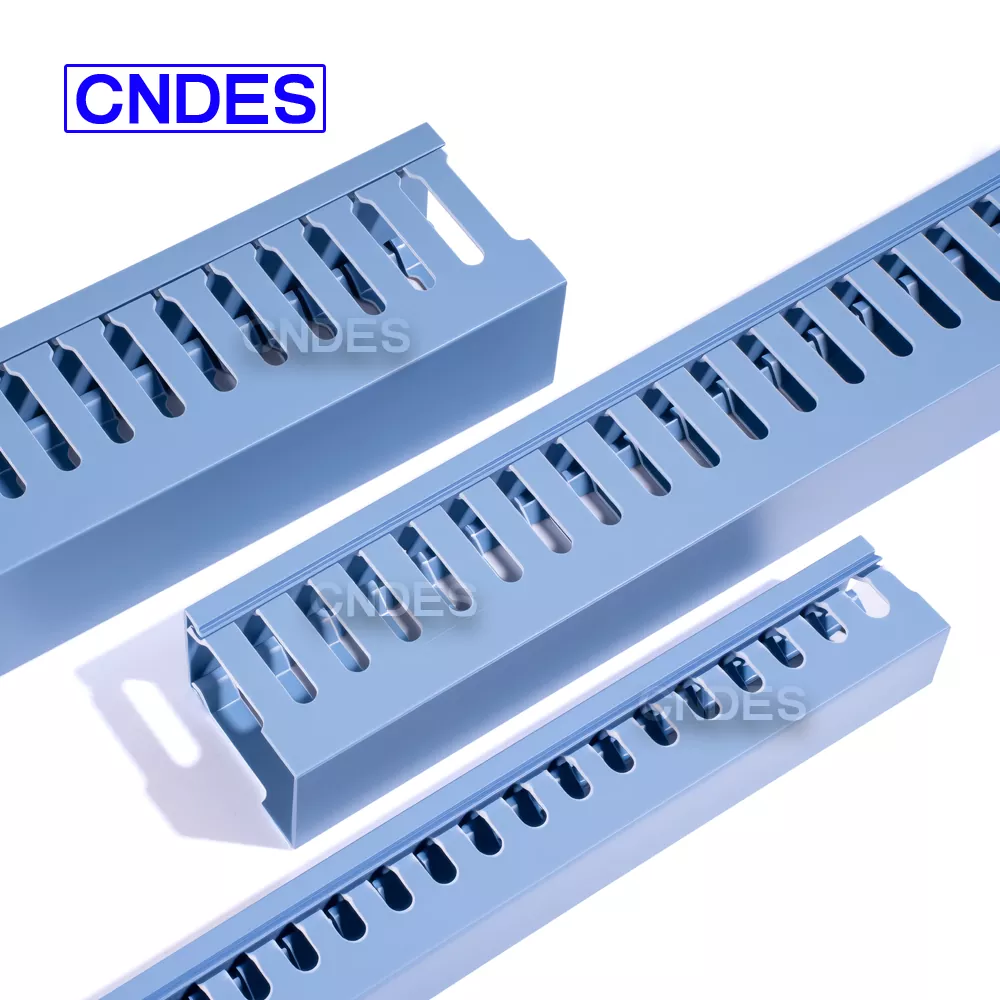
Fully Enclosed Cable Duct

Table of Contents


1. What Is a Fully Enclosed Cable Duct?

A Fully Enclosed Cable Duct is a protective cable management channel designed to completely surround and shield electrical wires. Unlike slotted or open wiring ducts, this type of duct features solid sidewalls and a secure cover, ensuring total enclosure of cables.

It is widely used in electrical panels, automation systems, power distribution cabinets, and industrial control equipment to provide maximum protection and enhanced organization.

For product specifications and detailed dimensions, you may refer to CNDES Fully Enclosed Cable Duct.

  • Solid sidewall construction
  • Snap-on or secure cover design
  • Flame-retardant PVC or high-impact materials
  • Dustproof and moisture-resistant protection
  • Available in multiple widths and heights

2. Why Choose a Fully Enclosed Cable Duct Over Open Wiring Systems?

Electrical systems are increasingly complex, with higher power density and stricter safety regulations. Choosing a fully enclosed cable duct ensures:

Enhanced Protection

  • Prevents dust accumulation
  • Protects against accidental contact
  • Reduces risk of electrical short circuits

Improved Aesthetics and Organization

  • Clean panel layout
  • Structured cable routing
  • Professional installation appearance

Higher Safety Standards

Enclosed systems minimize exposure to live wires, reducing hazards in industrial and commercial settings.


3. Key Features and Technical Specifications

Feature Description Benefit
Fully Enclosed Design Solid sidewalls and tight-fitting cover Maximum cable protection
Flame Retardant Material UL94 V-0 compliant PVC Enhanced fire resistance
High Impact Strength Rigid structural material Long-term durability
Temperature Resistance -40°C to 85°C (typical) Suitable for harsh environments

4. Materials Used in Fully Enclosed Cable Ducts

PVC (Polyvinyl Chloride)

  • Flame-retardant
  • Lightweight
  • Cost-effective

ABS

  • Higher impact resistance
  • Improved mechanical strength

Halogen-Free Materials

  • Low smoke emission
  • Environmentally friendly
  • Ideal for public infrastructure

5. Applications Across Industries

Fully enclosed cable ducts are widely used in:

  • Industrial automation panels
  • Power distribution cabinets
  • Data centers
  • Renewable energy systems
  • Railway and transportation systems
  • Telecommunication cabinets

Manufacturers like CNDES provide industrial-grade solutions tailored to global markets and compliance requirements.


6. Comparison Table: Fully Enclosed vs. Slotted Wiring Duct

Criteria Fully Enclosed Cable Duct Slotted Wiring Duct
Protection Level High (dustproof, touch-proof) Moderate
Air Circulation Limited Better ventilation
Application Harsh & dusty environments General panel wiring
Safety Higher Standard

7. Installation Guidelines and Best Practices

  1. Measure and plan cable routing.
  2. Secure the duct base using screws or adhesive backing.
  3. Route cables neatly inside the duct.
  4. Install the cover firmly.
  5. Label cable sections for easy maintenance.

Best practices include avoiding overfilling and ensuring adequate heat dissipation.


8. Compliance, Safety Standards, and Certifications

  • UL Certification
  • RoHS Compliance
  • CE Marking
  • Flame Retardant UL94 V-0 Rating

Compliance ensures reliability and global acceptance for export projects.


9. How to Select the Right Fully Enclosed Cable Duct

Consider Cable Volume

Select appropriate width and height.

Environmental Conditions

Choose flame-retardant or halogen-free materials if required.

Installation Space

Ensure compatibility with panel layout.

Supplier Reputation

Choose trusted manufacturers like CNDES for consistent quality and global compliance.


10. Frequently Asked Questions (FAQ)

Q1: What is the difference between fully enclosed and slotted cable ducts?

Fully enclosed ducts provide complete protection, while slotted ducts allow ventilation and easier cable branching.

Q2: Are fully enclosed cable ducts flame-retardant?

Most high-quality products meet UL94 V-0 flame-retardant standards.

Q3: Can they be used outdoors?

Yes, if UV-resistant and weatherproof materials are selected.

Q4: How do I calculate the correct size?

Calculate total cable cross-sectional area and allow 20-30% extra space.


11. Conclusion

A Fully Enclosed Cable Duct is more than just a wiring accessory—it is a critical component in ensuring safety, organization, and long-term system reliability. From industrial automation to power distribution systems, enclosed cable management significantly reduces risks while enhancing professional installation standards.

If you are looking for high-quality, certified, and durable fully enclosed cable ducts, CNDES offers comprehensive solutions designed to meet international standards and industrial demands. For product details, customization options, or technical consultation, contact us today to get professional support and competitive pricing.

Related News
Leave me a message
X
We use cookies to offer you a better browsing experience, analyze site traffic and personalize content. By using this site, you agree to our use of cookies. Privacy Policy
Reject Accept